[pci-cat-slider slidestoshow="4" exclude_cat="4" show_count="false"]
Damaged servers in data centre.

Minimising Downtime in Data Centres

Damaged server equipment in data centre.

Minimising Downtime in Data Centres

In today’s digital-first world, data centres serve as the critical infrastructure underpinning countless businesses and services. Any interruption to their operations can result in significant financial losses, damaged reputation, and disrupted services for millions of users. As such, minimising downtime in data centres has become a top priority for organisations across all sectors. This article explores key strategies and best practices for ensuring maximum uptime in data centre environments.

Understanding the Cost of Downtime

Before delving into prevention strategies, it’s crucial to understand the true cost of data centre downtime. According to recent studies, the average cost of downtime for large enterprises can exceed £4,000 per minute. This figure accounts for direct costs such as lost revenue and productivity, as well as indirect costs like damage to brand reputation and customer trust. For smaller businesses, while the absolute figures may be lower, the relative impact can be even more severe, potentially threatening the organisation’s very survival.

Proactive Maintenance and Monitoring

One of the most effective ways to minimise downtime is through proactive maintenance and monitoring. This approach involves:


  1. Regular Equipment Inspections: Scheduled checks of all critical infrastructure components, including power systems, cooling units, and network equipment.
  2. Predictive Maintenance: Utilising advanced analytics and machine learning to predict potential failures before they occur.
  3. Real-time Monitoring: Implementing comprehensive monitoring systems that provide instant alerts for any anomalies or performance issues.
  4. Capacity Planning: Regularly assessing and adjusting resources to ensure the data centre can handle current and future demands without strain.

Redundancy and Failover Systems

Redundancy is a cornerstone of high-availability data centre design. Key redundancy measures include:


  1. N+1 or 2N Power Systems: Ensuring multiple power sources and backup generators are available.
  2. Redundant Cooling Systems: Implementing backup cooling units to maintain optimal temperatures even if primary systems fail.
  3. Network Redundancy: Utilising multiple internet service providers and redundant network paths to ensure connectivity.
  4. Data Replication: Implementing real-time data replication across multiple sites to ensure data availability in case of localised failures.

Robust Disaster Recovery and Business Continuity Planning

Even with the best preventive measures, unforeseen events can still occur. A comprehensive disaster recovery (DR) and business continuity plan is essential for minimising the impact of such events. This should include:


  1. Regular DR Drills: Conducting simulated disaster scenarios to test and refine recovery procedures.
  2. Clear Communication Protocols: Establishing clear lines of communication and responsibility during crisis events.
  3. Offsite Backups: Maintaining secure, offsite backups of critical data and systems.
  4. Geographically Dispersed Data Centres: Utilising multiple data centre locations to spread risk and ensure continuity of operations.

Staff Training and Human Error Prevention

While much focus is placed on technological solutions, human error remains a significant cause of data centre downtime. Addressing this requires:


  1. Comprehensive Staff Training: Ensuring all personnel are well-versed in operational procedures and best practices.
  2. Rigorous Change Management Processes: Implementing strict protocols for any changes to the data centre environment.
  3. Access Control: Limiting physical and digital access to critical systems to minimise the risk of accidental or malicious disruptions.
  4. Documentation and Knowledge Sharing: Maintaining up-to-date documentation of all systems and procedures, and fostering a culture of knowledge sharing among staff.

Emerging Technologies and Future Trends

As data centres evolve, new technologies are emerging to further enhance uptime:


  1. AI and Machine Learning: Advanced AI systems can predict and prevent issues with greater accuracy than traditional monitoring tools.
  2. Edge Computing: Distributing computing resources closer to end-users can reduce the impact of centralised failures.
  3. Software-Defined Data Centres: Increased virtualisation and automation can lead to more resilient and adaptable infrastructures.
  4. Self-Healing Systems: Development of systems that can automatically detect and resolve issues without human intervention.

——-

Minimising downtime in data centres requires a multifaceted approach combining robust infrastructure, proactive maintenance, comprehensive planning, and skilled personnel. By implementing these strategies and staying abreast of emerging technologies, organisations can significantly reduce the risk of costly interruptions and ensure the continuous availability of critical services. As our reliance on digital infrastructure continues to grow, the ability to maintain high levels of uptime will increasingly become a key differentiator in the competitive landscape.

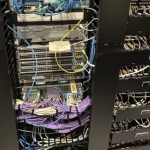
Server cables.

The Key to Efficiency and Reliability in Data Centre Cable Management

Server cables.

The Key to Efficiency and Reliability in Data Centre Cable Management

In the fast-paced world of modern computing, data centres serve as the backbone of our digital infrastructure. These critical facilities house vast arrays of servers, storage systems, and networking equipment that power our increasingly connected world. However, the complexity of these environments presents significant challenges, particularly when it comes to cable management. Proper cable management is not just about aesthetics; it’s a crucial aspect of data centre operations that impacts efficiency, reliability, and scalability.

The Importance of Effective Cable Management

At first glance, cable management might seem like a minor concern in the grand scheme of data centre operations. However, its impact is far-reaching and profound. Well-organised cabling systems contribute to improved airflow, reduced power consumption, easier maintenance, and enhanced overall performance. Conversely, poor cable management can lead to a host of problems, including overheating, decreased network performance, and increased risk of human error during maintenance and upgrades.


One of the primary benefits of effective cable management is improved cooling efficiency. In data centres, proper airflow is critical for maintaining optimal operating temperatures.


Disorganised cables can obstruct airflow, leading to hot spots and increased cooling costs. By implementing a structured cabling system, data centre operators can ensure that cool air reaches all equipment evenly, reducing the strain on cooling systems and lowering energy consumption.
Moreover, well-managed cables facilitate easier maintenance and troubleshooting. When technicians can quickly identify and access specific cables, downtime during repairs or upgrades is minimised. This efficiency is particularly crucial in environments where every second of downtime can result in significant financial losses.

Best Practices for Data Centre Cable Management

Implementing effective cable management strategies requires a combination of planning, proper equipment, and ongoing maintenance. Here are some key best practices:


Proper Planning: Before installing any equipment, develop a comprehensive cabling plan. This should include cable routes, lengths, and types, as well as the location of patch panels and cable management accessories.


Use of Cable Trays and Raceways: Implement a system of overhead cable trays or under-floor raceways to keep cables organised and off the data centre floor. This approach not only improves organisation but also protects cables from damage.


Colour Coding: Adopt a colour-coding system for different types of cables (e.g., power, network, fibre optic). This visual organisation makes it easier to identify and trace cables quickly.


Proper Labelling: Implement a clear and consistent labelling system for all cables and connections. This should include information such as the cable’s purpose, source, and destination.


Use of Cable Management Accessories: Employ cable ties, Velcro straps, and cable combs to bundle and organise cables neatly. However, avoid over-tightening, as this can damage cables.
Appropriate Cable Lengths: Use cables of appropriate length to avoid excess slack, which can lead to tangling and airflow obstruction. Custom-length cables or careful measurement can help achieve this.


Regular Audits and Maintenance: Conduct regular cable audits to identify and remove redundant or obsolete cables. This ongoing maintenance helps prevent cable sprawl and keeps the data centre organised.

The Future of Cable Management

As data centres continue to evolve, so too do cable management strategies. The trend towards higher density computing environments and the increasing adoption of fibre optic networks present new challenges and opportunities for cable management.


Emerging technologies, such as automated infrastructure management (AIM) systems, are set to revolutionise cable management. These systems use intelligent patching and real-time monitoring to provide unprecedented visibility into the physical layer of the network. This enhanced visibility allows for more efficient troubleshooting, capacity planning, and change management.


Additionally, the shift towards modular and prefabricated data centre designs is influencing cable management practices. These approaches often incorporate pre-engineered cable management solutions, reducing on-site installation time and ensuring consistency across deployments.

——-
Effective cable management is a critical but often overlooked aspect of data centre operations. By implementing best practices and leveraging emerging technologies, data centre operators can significantly improve efficiency, reliability, and scalability. As the demands on data centres continue to grow, the importance of robust cable management strategies will only increase. Those who prioritise this crucial aspect of infrastructure management will be well-positioned to meet the challenges of our increasingly digital future.