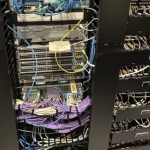
Data centre migrations are complex and require meticulous planning to safeguard sensitive information. Whether an organization is transitioning to a cloud environment, upgrading its existing infrastructure, or relocating to a new facility, maintaining data security is critical. Any security lapse during migration can result in data breaches, compliance violations, or operational disruptions. To mitigate these risks, businesses must implement a structured approach that prioritizes security throughout the data centre migration process.
Conduct a Comprehensive Risk Assessment
Before initiating a data centre migration, organizations must conduct a thorough risk assessment to identify potential security vulnerabilities. This involves evaluating the sensitivity of data being transferred, understanding compliance requirements, and recognizing potential cyber threats. By assessing these risks early, businesses can implement appropriate security measures to prevent unauthorized access, data corruption, or loss. A risk assessment also helps in formulating a robust security strategy that aligns with industry best practices.
Develop a Secure Data Centre Migration Plan
A well-structured migration plan is essential to ensuring data security. This plan should outline clear objectives, methodologies, and security protocols to be followed during the transition. Encrypting data both in transit and at rest is a crucial step in protecting sensitive information. Encryption ensures that even if data is intercepted during migration, it remains inaccessible to unauthorized entities. Additionally, implementing multi-factor authentication (MFA) and strict access controls for all personnel involved in the data centre migration minimizes internal security risks.
Implement Data Backup and Integrity Checks
Creating backups of all critical data is a fundamental security practice before initiating a data centre migration. These backup copies should be securely stored and tested for integrity to ensure quick recovery in case of data loss or corruption. Organizations should also perform data validation and integrity checks before, during, and after the migration to ensure that information remains accurate and unaltered throughout the process. Maintaining data integrity is essential to preventing operational disruptions and compliance violations.
Conduct Rigorous Security Testing
Security testing is a crucial phase in any data centre migration. Before making the transition, organizations should conduct simulated migration scenarios and perform stress tests to identify vulnerabilities. This proactive approach helps in fine-tuning security controls and addressing weaknesses before they impact the live system. Testing ensures that all security measures, including firewalls, encryption, and access controls, function as intended and can withstand potential cyber threats.
Monitor Migration Activities in Real-Time
Continuous monitoring during a data centre migration helps detect and mitigate security incidents in real-time. Organizations should use intrusion detection systems (IDS) and log analysis tools to track any unusual activity. Any unauthorized access attempts or anomalies must be investigated promptly to prevent potential security breaches. After the migration is complete, a post-migration security audit should be conducted to verify the effectiveness of security controls and ensure that data integrity has been maintained.
Train Employees on Security Best Practices
Human error is one of the leading causes of security incidents during data centre migrations. To reduce this risk, organizations must provide security training to employees involved in the migration process. IT teams should be educated on secure data handling, access controls, and compliance requirements. Regular training sessions help reinforce security best practices and ensure that employees remain vigilant against potential threats.
Ensuring Long-Term Data Security Post-Migration
Data security does not end once the data centre migration is complete. Organizations must continue monitoring security measures, updating access controls, and conducting regular audits to prevent future risks. Cyber threats evolve continuously, making it crucial for businesses to adopt a proactive security approach to safeguard their infrastructure and sensitive information in the long run.
A secure data centre migration requires meticulous planning, encryption, backup strategies, rigorous testing, and ongoing monitoring. By prioritizing data security at every stage of the migration process, businesses can successfully transition their IT infrastructure while protecting sensitive data from breaches and compliance risks.