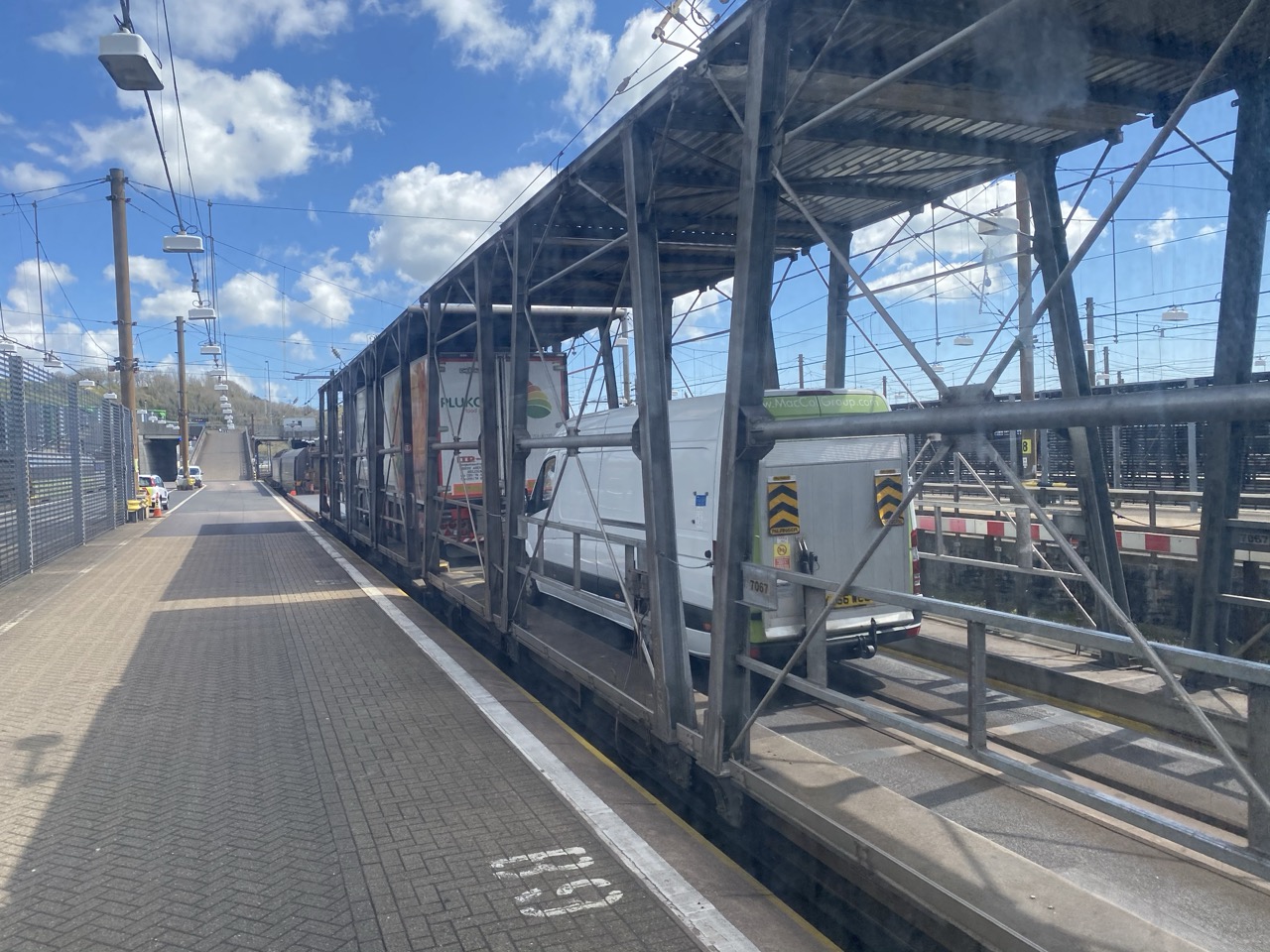
Moving a data centre from one building to another within the same city is challenging enough. Moving one across international borders introduces an entirely different layer of complexity — one that many organisations drastically underestimate until they’re already committed to the project.
At DataMove, cross-border relocations are a core part of what we do. We’ve carried out data centre migrations in over 58 countries, with France, Germany, Gibraltar, Malta, Cyprus and Sweden among our most frequent European destinations. Over the years, we’ve learned that the difference between a smooth international move and a costly, delayed one usually comes down to planning, experience, and knowing what to expect before the truck leaves.
Here are the issues that catch most organisations off guard.
Customs Clearance Is Not a Formality
The single biggest bottleneck in any cross-border server relocation is customs. This is not a case of simply loading equipment onto a vehicle and driving to the destination. Every piece of hardware crossing an international border needs proper documentation, and the requirements vary by country.
T1 transit declarations, commercial invoices, proof of ownership, equipment valuations, and EORI registration are all part of the process. Miss a single document and your equipment sits at the border while the clock ticks on your migration window.
Gibraltar is a perfect example. The border crossing between Spain and Gibraltar is notoriously difficult for commercial IT shipments. The relationship between the two territories creates a customs environment where even experienced logistics companies routinely find their drivers stuck for days. Our team has built strong working relationships with customs officials on both sides of that border over many years of regular crossings. On a recent project, where other providers would have faced days of delays, our team cleared the border with all paperwork accepted within just a few hours. That kind of experience cannot be improvised on the day.
The Equipment Needs More Protection Than You Expect
Servers, storage arrays, and networking equipment are precision instruments. They are sensitive to vibration, shock, temperature fluctuation, and static discharge. What works for a 30-minute drive across town is nowhere near adequate for a multi-day international transit.
Cross-border relocations require specialist packaging — custom-built flight cases, anti-static wrapping, shock-absorbing cradles, and tamper-evident seals. The vehicles themselves need to be purpose-built too: air-ride suspension to minimise vibration, climate-controlled compartments to maintain stable temperatures, and secure, deadlocked cargo areas.
Many organisations only discover these requirements when they start getting quotes, and the gap between what they expected to spend and what’s actually needed can be significant. This is one area where cutting corners creates real risk — a single damaged server during transit can cost far more than the packaging that would have prevented it.
Distances Are Longer Than They Feel on a Map
A London to Gibraltar move is around 2,200 kilometres by road. London to Stockholm is over 1,800 kilometres. These are not day trips. Multi-day transits introduce complications that domestic moves simply don’t have: EU drivers’ hours regulations that limit how long a driver can be behind the wheel, mandatory rest periods, the need for secure overnight compounds where high-value IT equipment can be safely stored, and the logistical challenge of coordinating arrival times with data centre access windows at the destination.
When the destination data centre is small — as they commonly are in Gibraltar and Malta — the coordination becomes even more critical. These facilities often have limited space and tightly controlled access. You cannot simply turn up with a van full of equipment and expect to start work. Every move event has to be meticulously planned and scheduled around the facility’s existing operations and other tenants’ activities.
Drivers’ Hours and Regulatory Compliance
International road transport within and around Europe is governed by strict regulations on driving time, rest periods, and vehicle operation. The standard EU rules allow a maximum of nine hours of driving per day, with mandatory breaks and rest periods. For a 2,000-kilometre journey, this means a minimum of three days on the road — and that’s before accounting for border crossings, customs stops, or unexpected delays.
Planning a migration timeline without factoring in these regulations is one of the most common mistakes we see. The migration window at the destination needs to account for realistic transit times, not optimistic ones.
Why Experience Matters More Than Price
Cross-border data centre relocations are not commodity services. The cheapest quote is very often the most expensive outcome. A provider without established customs relationships, without specialist vehicles, without experience in your destination country, will cost you in delays, risk, and stress.
When we carry out an international migration, we handle the customs documentation, we provide the specialist vehicles and packaging, we plan around drivers’ hours and secure stopping points, and we coordinate with the destination facility to ensure access is confirmed and the schedule is realistic. We have done this in 58 countries and counting. That depth of experience is what allows us to give clients accurate timelines and then deliver on them.
Planning a Cross-Border Move?
If you’re considering moving your data centre infrastructure internationally, the earlier you involve a specialist provider, the smoother the process will be. We’re happy to talk through your requirements and give you an honest assessment of what’s involved — even if you’re still at the early planning stage.
Get in touch with our team to discuss your project.