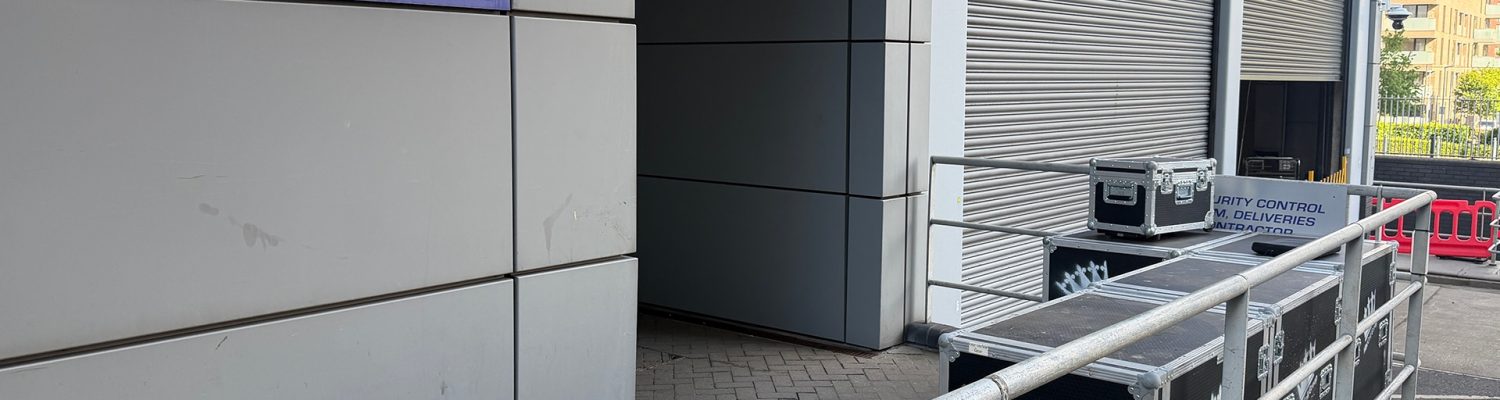
There are four pallets of server hardware sitting at Heathrow airport as I write this. They have been there for weeks.
The move went perfectly. The equipment was de-racked on schedule, packed, skidded and handed to the freight forwarder on the day it was supposed to be. Nothing was damaged and nobody missed a deadline.
It hasn’t flown because nobody had appointed an importer of record at the other end and it wasn’t something we were able to involve ourselves with.
What an importer of record actually is
Somebody has to be legally responsible for goods entering a country. They are liable for the customs declaration being accurate, for the duty and taxes, and for compliance with whatever import rules apply. That party is the importer of record.
It sounds administrative. It isn’t. It’s a legal liability, and it’s why the appointment takes longer than people expect.
In practice the importer of record is usually the company receiving the goods. That works fine when they have a legal entity in the destination country with the right registrations. It stops working when they don’t – which is common, because plenty of organisations have equipment in countries where they have no corporate presence at all.
Why it takes weeks rather than days
If a third party is going to act as importer of record on your behalf, they need a power of attorney. You are authorising someone to make customs declarations in your name and accept liability alongside you.
No legal team signs that quickly.
They will want to know who the broker is, what exposure the company is taking on, whether the authority is limited or general, and how it can be revoked. On a first shipment they may want the whole arrangement reviewed properly. Some organisations require security clearance checks on the party being authorised.
Meanwhile the equipment sits in a bonded facility accruing storage charges, because the freight forwarder cannot release it and cannot fly it.
None of this is unreasonable. It is a company being careful about signing a liability. The mistake is starting the conversation after the equipment has been collected rather than weeks before.
The entity question nobody asks early enough
Large organisations are rarely a single company. They are a group with subsidiaries, and the one that owns the hardware is not always the one people name in an email.
A recent enquiry came from a group with several brand-level businesses under it, each with its own facilities and IT. “Which entity is importing?” is not a pedantic question — it determines whose name goes on the customs entry, whose tax registration is used, and whose legal team reviews the power of attorney.
Get it wrong and the paperwork is redone from the start.
Ask early, in writing, and ask for the legal entity name rather than the trading name.
Country of origin: the question worth thousands
Here is the one most people don’t know to ask.
If equipment was originally exported from the destination country, it can often return under returned goods relief — free of duty, provided you can evidence the original export. Hardware bought in the UK and shipped to the United States does not qualify. The same hardware, if it had been bought in the US, shipped to the UK and now returning, very often would.
On a consignment worth a few hundred thousand, that difference is real money, and it’s decided entirely by where the kit was originally purchased and whether anyone kept the documentation.
It’s worth establishing before you budget, not after the invoice arrives. And it’s an argument for keeping export records on equipment that might one day travel back.
What to do instead
The physical move is the predictable part. Crews, vehicles, packing and freight are all things that can be scheduled and are rarely the reason a date slips.
So run the customs workstream in parallel from the beginning, not after the equipment is collected:
Establish which legal entity is importing, by name.
Appoint the importer of record and start the power of attorney process immediately. Assume legal review will take weeks and be pleasantly surprised if it doesn’t.
Confirm the tariff classification with the broker rather than assuming it. On server hardware the difference between adjacent codes can attach a substantial surcharge under current measures.
Establish country of origin and find the original export documentation if it exists.
Do all of that and the freight becomes what it should be — a booking.
The realistic truth
Most delays on international equipment moves have nothing to do with the equipment.
Nobody drops a server. The vehicle turns up. The pallets are built properly and the flight is available. What actually goes wrong is that a document needed a signature and the person who could give it was on holiday, or wanted their lawyer to read it first, or wasn’t sure which company they were signing on behalf of.
If you’re planning a cross-border move, the useful question isn’t who can move the equipment. It’s who is going to be the importer of record, and have they started yet.