[pci-cat-slider slidestoshow="4" exclude_cat="4" show_count="false"]
Cables blog post featured image.

The Crucial Role of Cable Quality in Data Centre Relocation

Cables

The Crucial Role of Cable Quality in Data Centre Relocation

Relocating a data centre is a complex and challenging endeavour that requires meticulous planning and execution. Among the myriad factors that need to be considered, the quality of cables used in the process often does not receive the attention it deserves. However, the importance of high-quality cabling cannot be overstated, as it plays a pivotal role in ensuring the reliability, performance, and longevity of the data centre infrastructure.

Ensuring Reliable Connectivity

At the heart of any data centre is its network of cables. These cables are responsible for transmitting vast amounts of data between servers, storage devices, and other critical hardware. When relocating a data centre, using high-quality cables ensures that these connections remain reliable and robust. Inferior cables can lead to signal degradation, data loss, and increased latency, which can significantly disrupt operations and lead to costly downtime.

Minimising Downtime and Errors

During a data centre relocation, the goal is to minimise downtime and ensure a seamless transition. High-quality cables are designed to withstand the physical stresses associated with installation and movement, reducing the risk of damage. Poor-quality cables, on the other hand, are more susceptible to wear and tear, which can result in frequent errors and connection issues. Investing in premium cabling reduces the likelihood of such problems, ensuring that the data centre can be brought online quickly and efficiently.

Future-Proofing the Infrastructure

The technology landscape is constantly evolving, and data centres must be able to adapt to new advancements. High-quality cables often come with higher bandwidth capabilities and support for newer standards, making them more future-proof than their cheaper counterparts. When relocating a data centre, it is wise to invest in cables that will not only meet current requirements but also support future growth and technological advancements. This foresight can save considerable time and money in the long run, as there will be less need for frequent upgrades and replacements.

Enhancing Performance and Efficiency

Performance and efficiency are critical metrics for any data centre. High-quality cables contribute to both by ensuring optimal data transmission speeds and reducing energy consumption. Superior insulation and shielding in high-quality cables minimise electromagnetic interference (EMI), which can otherwise degrade performance. Additionally, well-constructed cables often have lower resistance, resulting in better energy efficiency and reduced heat generation. This can have a positive impact on the overall operational costs and environmental footprint of the data centre.

Safety and Compliance

Data centres must adhere to strict safety and compliance standards to protect both personnel and equipment. High-quality cables are typically manufactured to meet or exceed these standards, offering better fire resistance and reduced toxicity in case of combustion. This is particularly important during relocation, where the risk of accidental damage and potential fire hazards can be higher. Using cables that comply with industry standards ensures that the data centre remains safe and reduces liability risks.

Cost Considerations

While high-quality cables come with a higher upfront cost, they often prove to be more cost-effective in the long run. The initial investment is offset by the reduced need for maintenance, lower incidence of failure, and extended lifespan of the cabling infrastructure. Furthermore, the costs associated with downtime, data loss, and repair can far exceed the savings from choosing cheaper, lower-quality cables. Therefore, it is prudent to consider the total cost of ownership when making cabling decisions during a data centre relocation.

Conclusion

The importance of cable quality in data centre relocation cannot be overstated. Reliable connectivity, minimal downtime, future-proofing, enhanced performance, safety, and cost-effectiveness are all directly influenced by the quality of the cables used. As such, investing in high-quality cabling is not merely a technical consideration but a strategic decision that can significantly impact the success of the relocation and the future operational efficiency of the data centre. By prioritising cable quality, organisations can ensure a smooth transition and lay a robust foundation for future growth and innovation.

Old computers thumbnail.

Effective Strategies for Managing Old Computers in a Large Company

Old computers in an office waiting to be disposed.

Effective Strategies for Managing Old Computers in a Large Company

As technology advances rapidly, large companies often find themselves with a surplus of outdated computers. While replacing old hardware is essential for maintaining productivity and security, it raises the question of what to do with the obsolete equipment. Proper management of old computers not only helps in decluttering the workspace but also ensures data security, environmental responsibility, and potential financial benefits. Here are some effective strategies for handling old computers in a big company.

1. Data Disposal: Ensuring Security

Before any old computer can be repurposed, donated, or recycled, it is crucial to ensure that all sensitive data is securely erased. Data disposal involves more than just deleting files or formatting the hard drive. Companies should employ data wiping software that adheres to industry standards for data destruction, such as the NIST (National Institute of Standards and Technology) guidelines. For extremely sensitive information, physical destruction of the hard drives might be necessary. Proper data disposal protects the company from potential data breaches and ensures compliance with data protection regulations.

2. Reuse Within the Company

One of the most efficient ways to handle old computers is to repurpose them within the organisation. Older computers that are still functional can be used for less resource-intensive tasks, such as administrative work, training purposes, or as backup machines. This internal recycling helps maximise the return on investment for the hardware and can delay the need for new purchases in certain departments.

3. Employee Purchase Programs

Offering old computers to employees at a reduced price can be a win-win situation. Employees benefit from affordable technology for personal use, while the company can recoup some of its initial investment. This approach also ensures that the equipment is reused rather than discarded, contributing to environmental sustainability.

4. Donation to Charities and Schools

Many non-profit organisations, schools, and community centres are in need of computers. Donating old computers can support educational and charitable activities while also providing the company with positive public relations opportunities. Before donating, ensure that all data has been properly wiped and that the computers are in working condition. Partnering with organisations that can refurbish and redistribute the equipment is often beneficial.

5. Recycling and E-Waste Management

When computers are too outdated or damaged to be reused or donated, responsible recycling is essential. Electronic waste (e-waste) contains hazardous materials that can harm the environment if not disposed of correctly. Partnering with certified e-waste recycling companies ensures that old computers are dismantled and recycled in an environmentally friendly manner. These recyclers follow stringent guidelines to safely handle and repurpose materials like metals, plastics, and circuit boards.

6. Trade-In and Buyback Programs

Many manufacturers and retailers offer trade-in or buyback programs that provide credit or cash in exchange for old equipment. Participating in these programs can help offset the cost of new technology purchases. These schemes are convenient, as they typically include secure data disposal and environmentally responsible recycling of old equipment.

7. Create a Disposal Policy

To streamline the process of handling old computers, companies should establish a formal disposal policy. This policy should outline procedures for data disposal, criteria for internal reuse, donation guidelines, and partnerships with recycling firms. A clear policy ensures consistency and compliance with environmental and data protection regulations, while also educating employees on the importance of responsible e-waste management.

8. Conclusion

Managing old computers in a large company requires a multifaceted approach that prioritises data security, environmental responsibility, and financial efficiency. Secure data disposal is the first and most crucial step, protecting the company from potential breaches. Repurposing and donating equipment can extend its useful life and benefit the community, while recycling and trade-in programs ensure environmentally sound disposal of irreparable devices. By implementing a comprehensive disposal policy, companies can effectively manage their old computers, contributing to sustainability efforts and enhancing their corporate social responsibility profile.

Sheffield to Malta Data Move

Sheffield, UK to Malta Data Move

DataMove were instructed to carry out a small but highly valuable strategic move between Sheffield and Malta for a gaming industry client.

Due to a data breach, new rack elevations were required so DataMove attended site, carried out a full audit and populated new rack elevation and cable management data on behalf or our client. We de-racked and securely transported via our own transport direct to Malta where the equipment was re-populated and taken back online and troubleshooted.


Another successful move!


For any data rack relocation or data centre migration job please get in touch today and we’ll help you right away.

A Guide to Hidden Risks of Improper Data Disposal

A Guide to Hidden Risks of Improper Data Disposal

In the digital age, where data reigns supreme, the importance of proper data disposal cannot be overstated. Just as you meticulously plan a data centre migration, ensuring every step is taken to mitigate risks, the process of disposing of data demands equal attention. Yet, many businesses overlook the gravity of improper data disposal, unwittingly exposing themselves to a myriad of risks, from regulatory non-compliance to reputational damage. So, what can possibly go wrong? Let’s delve into the potential pitfalls:

  1. Regulatory Compliance: In an era where data privacy regulations like GDPR and CCPA loom large, improper data disposal can land your business in hot water. Failing to adhere to regulatory requirements regarding data erasure can result in hefty fines and legal repercussions. It’s essential to understand the specific regulations pertinent to your industry and region and ensure your data disposal practices align with them.

  2. Data Breach: Data breaches are not always the result of malicious hackers penetrating your network defences. Improperly disposed of hardware containing sensitive information can be a goldmine for cybercriminals. Even seemingly innocuous devices like old hard drives or printers can harbour valuable data if not adequately wiped or destroyed. A single oversight in data disposal could lead to a catastrophic breach, tarnishing your organisation’s reputation irreparably.

  3. Reputational Damage: Trust is paramount in today’s business landscape, and a data breach resulting from improper data disposal can erode it swiftly. News of a breach due to negligent data disposal practices can spread like wildfire, damaging your brand’s reputation and causing customers to lose faith in your ability to protect their information. Rebuilding trust post-breach is an uphill battle that no business wants to face.

  4. Environmental Impact: Improper data disposal doesn’t just pose risks to your organisation; it also has environmental consequences. E-waste generated from discarded electronic devices contributes to pollution and environmental degradation. From toxic chemicals leaching into soil and water to the energy expended in manufacturing new devices to replace those improperly disposed of, the environmental footprint of irresponsible data disposal is significant.

  5. Legal Liability: Beyond regulatory fines, improper data disposal can open the floodgates to lawsuits and litigation. If data that should have been securely erased falls into the wrong hands and results in harm, whether financial or reputational, your business could find itself embroiled in costly legal battles. Proving due diligence in data disposal practices is crucial in mitigating legal liability.

To navigate these risks effectively, businesses must adopt a comprehensive approach to data disposal:

  • Establish Clear Policies: Develop and enforce clear policies and procedures governing data disposal, ensuring all employees understand their responsibilities and the consequences of non-compliance.

  • Invest in Secure Data Destruction: Utilise certified data destruction methods such as data wiping, degaussing, or physical destruction to ensure sensitive information is rendered irretrievable.

  • Train Employees: Provide regular training to employees on proper data disposal practices, emphasising the importance of data security and regulatory compliance.

  • Partner with Reliable Providers: When outsourcing data disposal services, choose reputable providers with a track record of compliance and security. Verify their certifications and processes to ensure your data is in safe hands.

  • Audit and Monitor: Conduct regular audits of data disposal practices to identify any gaps or vulnerabilities. Monitor compliance with established policies and address any issues promptly.

The risks associated with improper data disposal are too significant to ignore. By prioritising data security, regulatory compliance, and environmental responsibility, businesses can safeguard themselves against the pitfalls of negligent data disposal and protect their most valuable asset—their reputation. 


Remember, just as in a data centre migration, thorough planning and meticulous execution are key to success in data disposal.

How Smart Hands Revolutionise Data Centers

How Smart Hands Revolutionize Data Centers

In the fast-paced world of data management, efficiency is the name of the game. Every second counts, and downtime can spell disaster for businesses relying on their data centers to keep operations running smoothly. That’s where the concept of “smart hands” comes into play, revolutionizing the way data centers operate and ensuring optimal performance around the clock. Let’s take a closer look at how smart hands can transform data center management.

What Are Smart Hands?

First things first, let’s define smart hands. Essentially, smart hands refer to on-site technical support personnel who are equipped with the skills and expertise to handle various tasks within a data center remotely. These individuals act as an extension of the IT team, providing assistance with routine maintenance, troubleshooting, and other operational tasks without the need for physical presence.

Remote Assistance at Your Fingertips

Imagine a scenario where a critical issue arises in your data center outside of regular business hours. With smart hands, help is just a phone call away. Whether it’s rebooting servers, replacing hardware components, or conducting routine checks, smart hands can remotely access the data center infrastructure and address issues promptly, minimizing downtime and ensuring continuity of operations.

Maximizing Efficiency and Productivity

By leveraging smart hands, data center operators can optimize their resources and focus on more strategic initiatives. Instead of allocating valuable time and manpower to routine maintenance tasks, IT teams can offload these responsibilities to smart hands, freeing up their time to concentrate on innovation, optimization, and enhancing the overall performance of the data center.

Flexible Support Anytime, Anywhere

One of the most significant advantages of smart hands is their ability to provide support regardless of location or time zone. Whether your data center is located across the globe or in a remote area with limited accessibility, smart hands can remotely access the infrastructure and perform necessary tasks with ease. This flexibility ensures uninterrupted support and peace of mind for data center operators.

Cost-Effective Solution

In addition to improving efficiency and productivity, smart hands offer a cost-effective solution for data center management. By outsourcing routine tasks to smart hands providers, companies can avoid the overhead costs associated with hiring and training in-house personnel. This pay-as-you-go model allows businesses to scale their support services based on their specific needs, reducing overall expenses and maximizing ROI.

Embracing the Future of Data Center Management

As the demand for data center services continues to grow, the role of smart hands in data center management will become increasingly vital. By embracing this innovative approach to technical support, businesses can streamline operations, minimize downtime, and ensure the seamless functioning of their data centers. With smart hands at the helm, the future of data center management looks brighter than ever.

In conclusion, smart hands represent a game-changing solution for data center operators seeking to optimize efficiency, productivity, and cost-effectiveness. By harnessing the power of remote assistance, businesses can navigate the complexities of data center management with ease, unlocking new levels of performance and reliability. It’s time to embrace the future of data center management with smart hands leading the way.

Top 8 Reasons Companies Move Data Centres

Top 8 Reasons Companies Move Data Centres

In the ever-evolving landscape of technology, the movement of data centres has become a strategic decision for many businesses. Whether driven by technological advancements, cost efficiencies, or regulatory compliance, the relocation of data centres can profoundly impact an organization’s operations and bottom line. Let’s explore the top eight reasons why companies embark on the journey of moving their data centres.

1. Performance Optimization

One of the primary motivations for relocating data centres is to enhance performance. Newer facilities often offer advanced infrastructure and technologies, such as high-speed networking and optimized cooling systems, which can significantly improve data processing speeds and reduce latency. By moving to a more efficient data centre, companies can deliver better service to their customers and stakeholders.

2. Scalability and Flexibility

As businesses grow and evolve, their data storage and processing needs inevitably expand. Relocating to a new data centre allows companies to scale their infrastructure more effectively, whether by increasing server capacity, adopting cloud services, or implementing virtualization solutions. This scalability and flexibility enable organizations to adapt to changing demands and future-proof their operations.

3. Cost Savings

Cost considerations play a crucial role in the decision to move data centres. Older facilities may incur higher maintenance and energy expenses due to outdated equipment and inefficient infrastructure. By migrating to more energy-efficient data centres or leveraging cloud-based solutions, companies can reduce operational costs and allocate resources more efficiently, ultimately improving their bottom line.

4. Enhanced Security and Compliance

Data security and compliance requirements continue to evolve, prompting companies to seek out data centres with robust security measures and regulatory certifications. Relocating to facilities equipped with state-of-the-art security protocols, such as biometric access controls and data encryption technologies, helps organizations mitigate risks and ensure compliance with industry regulations, such as GDPR and HIPAA.

5. Geographic Diversity and Disaster Recovery

Geographic diversity is essential for ensuring business continuity and disaster recovery preparedness. By diversifying their data centre locations, companies can mitigate the risk of single points of failure and minimize the impact of natural disasters, such as earthquakes or hurricanes. Additionally, relocating data centres to regions with favourable environmental conditions or political stability enhances resilience and safeguards critical operations.

6. Legacy Infrastructure Modernization

Legacy data centres often suffer from outdated infrastructure and hardware, hindering performance and scalability. Moving to modern data centres equipped with cutting-edge technologies enables companies to modernize their IT infrastructure, leverage virtualization and automation capabilities, and stay ahead of technological advancements. This modernization effort enhances efficiency, agility, and innovation within the organisation.

7. Strategic Mergers and Acquisitions

Mergers and acquisitions frequently necessitate the consolidation or relocation of data centres to streamline operations and optimize resources. Integrating disparate IT infrastructures into a unified, centralized data centre environment enables companies to realize synergies, improve collaboration, and eliminate redundancies. This strategic realignment aligns with broader business objectives and drives operational efficiency.

8. Sustainability Initiatives

With increasing concerns about environmental sustainability, many companies are prioritising eco-friendly practices in their operations, including data centre operations. Relocating to energy-efficient data centres powered by renewable energy sources or adopting cloud computing solutions with lower carbon footprints aligns with sustainability goals and enhances corporate social responsibility efforts. By reducing energy consumption and carbon emissions, companies contribute to a greener future while optimising their IT infrastructure.
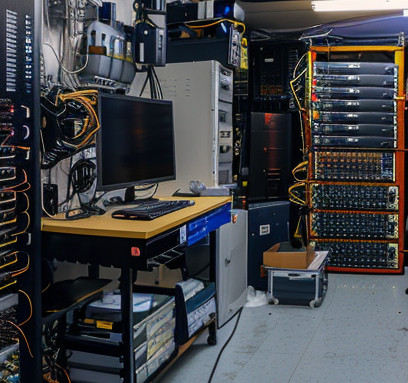
Data erasure engineers.

Safeguarding Your Data

Safeguarding Your Data - The Importance of Proper Data Erasure and Disposal

In an era where data is king, safeguarding sensitive information has become a top priority for businesses of all sizes. From financial records to customer data, the implications of a data breach can be severe, resulting in financial loss, damage to reputation, and legal consequences. Therefore, implementing a robust data erasure and disposal process is paramount. In this blog post, we’ll explore the importance of proper data erasure and disposal and outline key steps to ensure the secure handling of sensitive information.

Why Proper Data Erasure Matters

Data erasure, also known as data wiping or data sanitization, refers to the process of securely removing all data from storage devices such as hard drives, SSDs, and mobile devices. Simply deleting files or formatting a drive is not sufficient to prevent data recovery, as residual data can still be retrieved using specialized software. Proper data erasure ensures that sensitive information is irreversibly removed, mitigating the risk of unauthorized access or data leakage.

The Risks of Improper Data Disposal

Failure to implement a proper data erasure and disposal process can expose businesses to various risks:

  1. Data Breaches: Improperly disposed of hardware containing sensitive data can be a goldmine for cybercriminals looking to steal valuable information.

  2. Regulatory Non-Compliance: Many industries are subject to strict data protection regulations, such as GDPR, HIPAA, and PCI DSS. Failure to comply with these regulations can result in hefty fines and legal penalties.

  3. Reputational Damage: A data breach can erode customer trust and tarnish a company’s reputation, leading to loss of business and credibility in the market.

Best Practices for Data Erasure and Disposal

To mitigate the risks associated with data disposal, businesses should adhere to the following best practices:

  1. Inventory and Classification: Conduct a thorough inventory of all data-bearing assets within your organization and classify them based on sensitivity and regulatory requirements.

  2. Data Erasure: Utilize certified data erasure software or services to securely wipe all data from decommissioned devices. Ensure that the chosen method complies with industry standards and regulatory requirements.

  3. Physical Destruction: For hardware that cannot be effectively erased (e.g., damaged drives), employ physical destruction methods such as shredding or degaussing to render the data irrecoverable.

  4. Documentation and Auditing: Maintain detailed records of the data erasure and disposal process, including certificates of erasure and destruction. Regularly audit the process to ensure compliance with internal policies and external regulations.

  5. Secure Disposal: Dispose of decommissioned hardware through reputable vendors that specialize in secure data disposal. Ensure that the disposal process adheres to industry best practices and environmental regulations.

Conclusion

In an age of increasing data breaches and regulatory scrutiny, proper data erasure and disposal have never been more critical. By implementing robust data management practices and adhering to industry standards, businesses can mitigate the risks associated with data disposal and safeguard sensitive information. Remember, the cost of a data breach far outweighs the investment required to implement a secure data erasure and disposal process. So, prioritize data security and protect your business from potential threats.


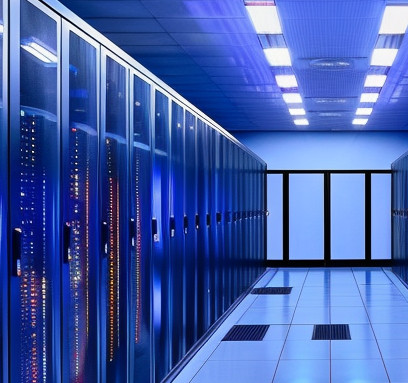
Inside datacentre featured image.

Optimal Data Center Selection

Inside of datacentre.

A Comprehensive Guide to the Optimal Data Center Selection

In today’s digital landscape, businesses are increasingly reliant on secure and reliable data storage solutions. Whether it’s for customer information or critical operational data, selecting the optimal data center is paramount. This decision becomes even more critical when considering migrating your existing datacentre. Whether you’re a burgeoning startup or an established enterprise, the choice of data center significantly impacts operational efficiency, security, and scalability.

Ensuring Reliability and Minimizing Downtime:

Reliability stands as a cornerstone when it comes to choosing a data centre. Downtime can result in not just financial losses but also significant damage to the reputation of a business. It is imperative to opt for data centres with a proven track record of reliability. Certifications such as those provided by the Uptime Institute can serve as indicators of reliability levels. Additionally, inquire about redundancy measures, backup power systems, and maintenance procedures to ensure uninterrupted operations.

Prioritizing Security Measures:

Security breaches pose a considerable threat to businesses, leading to financial losses and legal ramifications. Therefore, security should be given utmost priority when selecting a data centre. Evaluate physical security measures such as access controls, surveillance systems, and on-site security personnel. Additionally, inquire about cybersecurity protocols, including firewalls, encryption, and intrusion detection systems, to fortify your data against cyber threats.

Assessing Scalability and Flexibility:

Business requirements evolve over time, underscoring the importance of choosing a data centre capable of scaling alongside your growth. Factors such as available space, power capacity, and network bandwidth should be taken into account to accommodate future expansion. Furthermore, assess the flexibility of the data centre’s services and contracts. Opt for providers offering scalable solutions and customizable service agreements to cater to your evolving needs.

Considering Location and Connectivity:

The geographical location of a data centre can impact latency, accessibility, and compliance with data regulations. Evaluate the proximity of the data centre to your primary business operations and target markets. Additionally, consider connectivity options, including network carriers, internet exchanges, and cloud service providers. A well-connected data centre ensures high-speed data transfer and network redundancy.

Ensuring Compliance with Regulations:

Data regulations such as GDPR, HIPAA, and PCI DSS impose stringent requirements on data handling and storage. It is crucial to ensure that the selected data centre complies with relevant industry regulations and standards. Inquire about compliance certifications and audit reports to verify adherence to regulatory requirements. Moreover, assess the data centre’s commitment to data privacy and compliance management practices.

Prioritizing Support and Service Level Agreements (SLAs):

Responsive support and clear SLAs are essential for prompt issue resolution and minimizing downtime. Evaluate the data centre’s support offerings, including technical support availability, response times, and escalation procedures. Review SLAs to understand guaranteed uptime, performance metrics, and compensation policies in case of service disruptions. Choose a data centre provider prioritizing customer satisfaction and offering robust support services.

Embracing Sustainability and Environmental Responsibility:

As environmental concerns gain prominence, sustainability considerations should be factored into the decision-making process. Assess the data centre’s energy efficiency initiatives, renewable energy usage, and environmental certifications. Opt for providers committed to minimizing their carbon footprint and operating in an environmentally responsible manner.

Considering Cost Implications:

While cost should not be the sole determinant, it is essential to consider the pricing structure and total cost of ownership (TCO) when selecting a data centre. Evaluate upfront costs, recurring fees, and additional charges for services such as bandwidth and storage. Conduct a comprehensive cost-benefit analysis to determine the best value proposition for your business while ensuring that cost savings do not compromise essential features and security measures.

In conclusion, choosing the right data centre is a critical decision with far-reaching implications for business operations. By carefully evaluating factors such as reliability, security, scalability, compliance, support, sustainability, and cost, businesses can make informed choices aligned with their objectives and growth plans. Investing time and resources into selecting the right data centre now can yield significant long-term benefits, ensuring seamless operations and data protection.

The risks of not having a proper data backup and recovery plan during data centre migration

The risks of not having a proper data backup and recovery plan during data centre migration

1. Introduction: Understanding the Importance of a Proper Data Backup and Recovery Plan

In today’s digital age, data is the lifeblood of businesses. It drives decision-making, enables operations, and helps companies gain a competitive edge. As organisations grow, they often face the need to migrate their data centres to more efficient and scalable environments. However, data centre migration poses significant risks, including the potential for data loss.

2. Risks of Data Loss during Data Centre Migration: Why It Matters

During the process of data centre migration, data can be exposed to various risks, such as hardware failures, human errors, power outages, or even natural disasters. Without a proper data backup and recovery plan in place, businesses face the danger of losing critical information that is essential for their day-to-day operations. The consequences of data loss can be severe, leading to financial losses, reputation damage, and even legal implications.

3. The Consequences of Inadequate Data Backup and Recovery Strategies

Without a robust data backup and recovery plan, businesses risk extended periods of downtime in the event of data loss. This can result in lost productivity, missed opportunities, and dissatisfied customers. Moreover, the cost of data recovery can be exorbitant, especially if specialized services and expertise are required. In some cases, data loss can be irreversible, leading to permanent damage to the business.

4. Key Steps to Implementing a Successful Data Backup and Recovery Plan

To mitigate the risks associated with data centre migration, organisations must develop and implement a comprehensive data backup and recovery plan. This plan should include regular backups of critical data, secure storage solutions, and well-defined recovery procedures. It is crucial to test the plan regularly to ensure its effectiveness and make necessary adjustments as the business evolves.

5. Ensuring a Smooth Data Centre Migration: Best Practices for Data Backup and Recovery

To ensure a smooth data centre migration, businesses should follow best practices for data backup and recovery. This includes conducting a thorough assessment of data requirements, selecting appropriate backup methods, and establishing clear recovery time objectives. Additionally, implementing redundancy measures, such as off-site backups or cloud storage, can provide an extra layer of protection against data loss during migration.


By understanding the risks of not having a proper data backup and recovery plan during data centre migration, businesses can take proactive steps to safeguard their valuable data. Investing in a robust data backup and recovery strategy is not only a smart business move but also a crucial element in ensuring the continuity and success of the organisation.


Don’t leave your data at risk during data centre migration. Contact us today to learn how our expert team can help you develop a comprehensive data backup and recovery plan to safeguard your valuable information. Protect your business, minimize downtime, and ensure a smooth data centre migration.

Challenges and considerations when implementing virtualisation in server migration initiatives

Challenges and considerations when implementing virtualisation in server migration initiatives

Introduction to Server Migration and Virtualisation

Server migration refers to the process of transferring data, applications, and other resources from one server to another. This can be done for various reasons, such as upgrading hardware, consolidating servers, or moving to a new data centre. Virtualisation, on the other hand, involves creating virtual versions of physical servers, allowing multiple virtual machines to run on a single physical server.


Virtualisation has become increasingly popular in server migration initiatives due to its ability to optimize resources, improve scalability, and reduce costs. By consolidating servers and utilizing virtual machines, businesses can achieve higher efficiency and flexibility in their IT infrastructure.

Challenges in Implementing Virtualisation in Server Migration

While virtualisation offers numerous benefits, it also presents challenges during server migration. One of the main challenges is ensuring compatibility between the physical and virtual environments. This includes verifying that the applications and data can seamlessly transition to the virtual machines without any compatibility issues.


Another challenge is the potential for performance degradation. Virtualisation introduces an additional layer of abstraction, which can impact the performance of certain applications, especially those that require high computing power or low latency. It is crucial to carefully assess the performance requirements of the applications and allocate resources accordingly.

Considerations for Successful Data Centre Migration

Data centre migration involves moving the entire IT infrastructure, including servers, storage, and networking equipment, to a new location. To ensure a successful migration, several considerations must be taken into account.


Firstly, a comprehensive inventory and assessment of the existing infrastructure is essential. This includes documenting all hardware, software, and dependencies to accurately plan and execute the migration process.


Secondly, a detailed migration plan should be developed, outlining the sequence of tasks, timelines, and resource allocation. It is crucial to minimize downtime and disruptions during the migration process to avoid any negative impact on business operations.

Choosing the Right Server Relocation Company

When undertaking server migration or data centre relocation, it is vital to partner with a reliable and experienced server relocation company. The chosen company should have a proven track record in handling complex migrations and possess the necessary expertise in virtualisation and data centre management.


Key factors to consider when selecting a server relocation company include their experience in similar projects, their ability to handle the specific requirements of the migration, and their commitment to minimizing downtime and ensuring data security during the process.

The Role of Virtualisation in Data Centre Relocation

Virtualisation plays a crucial role in data centre relocation initiatives. By virtualising servers, businesses can significantly reduce the physical footprint of their IT infrastructure, leading to cost savings in terms of space, power, and cooling requirements.


Virtualisation also enables greater flexibility and scalability, allowing businesses to easily adjust their resources based on changing needs. This is particularly beneficial during the data centre relocation process, as it allows for a smoother transition and minimizes disruptions to business operations.


In conclusion, implementing virtualisation in server migration initiatives offers numerous benefits but also presents challenges that need to be carefully addressed. By considering the challenges and following best practices, businesses can ensure a successful data centre migration and reap the advantages of virtualisation. Partnering with the right server relocation company is crucial to navigate through the complexities of the migration process and achieve a seamless transition.


Contact our experienced server relocation team today to discuss your data centre migration needs and ensure a smooth and successful transition.