
[pci-cat-slider slidestoshow="4" exclude_cat="4" show_count="false"]
Wireless performance blog post featured image.

Improving Wireless Performance in Warehouses and Offices

Improving Wireless Performance in Warehouses and Offices

Reliable Wi-Fi is vital for today’s workplaces, from barcode scanners in warehouses to laptops in busy offices. Yet many organisations still struggle with poor coverage, dropouts, or slow connections. Here’s what really affects wireless performance, and how to fix it.


1. The Building and Layout


Walls, racking, and machinery can all block or reflect signals. Warehouses often have high ceilings and metal shelving, while offices may have concrete or glass walls that weaken Wi-Fi.


To improve:


• Position access points (APs) to minimise obstructions.
• Use directional antennas for long aisles or open areas.
• Carry out a wireless site survey to find coverage gaps.


2. Network Design and Interference


Too few APs leave dead zones, while too many can interfere with each other. Other wireless devices such as Bluetooth, cordless phones, or neighbouring networks can also cause disruption.


To improve:


• Plan AP placement using professional design tools.
• Use 5 GHz or Wi-Fi 6/6E where possible to reduce congestion.
• Adjust channels and transmit power to limit interference.


3. Devices and Capacity


Old or low-spec devices can slow everything down, especially when large numbers connect at once.


To improve:


• Upgrade to modern Wi-Fi 6-enabled hardware.
• Balance connections across available bands and APs.
• Review roaming and power settings regularly.


4. Ongoing Monitoring


Wireless environments change frequently. Stock levels, furniture layout, and even neighbouring networks can affect performance.


To improve:


• Re-survey annually or after major layout changes.
• Use monitoring tools to detect weak spots early.


Get Expert Support


A professional wireless survey takes the guesswork out of Wi-Fi design, ensuring consistent coverage and performance across your site, whether it’s a warehouse, office, or campus.
Need help improving your wireless network? Our engineers specialise in Wi-Fi surveys, design, and optimisation for complex environments. Get in touch to schedule an assessment.

Wireless survey for a law firm - featured image.

Advanced Ekahau Wireless Survey: Major Law Firm Deployment

Advanced Ekahau Wireless Survey: Major Law Firm Deployment

DataMove were recently instructed to carry out comprehensive Ekahau Wireless surveys across 28 floors of a new build fit out for a major worldwide law firm, utilising the industry-leading Ekahau AI Pro solution with Sidekick 2 survey hardware.


Technical Implementation


Having already installed and configured over £6m worth of enterprise-grade Cisco connectivity infrastructure, including strategic access point deployment, our certified wireless engineers conducted the critical final verification phase. This process validated that client-specified access point locations would deliver optimal RF coverage across entire floor areas while meeting stringent security and performance requirements for the legal environment.


Trusted by 40% of Fortune 500 companies, Ekahau provided the ideal solution for this deployment. Our technical team employed active and passive survey methodologies, collecting comprehensive data on signal strength, coverage, interference patterns, and network capacity across all critical parameters.


Professional Survey Methodology


Our discreet survey teams operated with minimal disruption to ongoing activities, conducting assessments with methodical precision in the sensitive corporate environment. Using the Sidekick 2’s dual Wi-Fi radio configuration, engineers scanned comprehensively across 2.4GHz, 5GHz, and 6GHz bands with 8-hour battery life ensuring continuous operation.


The team maintained complete discretion while operating unobtrusively within the active environment, preserving sensitive client information and operational security protocols throughout the assessment process.


Survey Results and Analysis


Due to construction delays, some floors remained incomplete during initial surveys; however, comprehensive reports generated through Ekahau AI Pro’s advanced 3D capacity and coverage estimation capabilities delivered highly promising results. These analyses showcased exemplary collaboration from initial placement design through final validation surveys.


Ekahau AI Survey Pro’s map visualisation capabilities enabled detailed predictive planning off-site before on-site validation. The resulting heatmaps and reports provided actionable insights and performance guarantees for the critical wireless infrastructure investment.


Future Validation


Further targeted surveys are scheduled for two floors once construction completes, as these contain specialised heavy-duty interior installations which may impact RF propagation characteristics. Additional validation will ensure consistent coverage performance across these challenging environments.


This deployment demonstrated the exceptional capabilities of DataMove’s team combined with the Ekahau AI Pro solution, ensuring exemplary wireless connectivity across all operational sites. Our professional wireless surveys provide comprehensive facility assessment, coverage optimization, and interference analysis, delivering technical excellence for mission-critical legal operations.


For more information about our advanced wireless survey capabilities, contact DataMove today.

Wireless survey for law firm.
Wireless survey
Wireless survey
Wireless survey
Wireless survey.
Wireless survey
Wifi survey blog post featured image.

Top Tools and Technologies Used in Wireless Site Surveys

Wifi survey blog post hero image.

Top Tools and Technologies Used in Wireless Site Surveys

In today’s always-connected world, strong and consistent Wi-Fi is more than a convenience—it’s mission-critical. Whether you run an office, warehouse, school campus or retail space, a reliable wireless network underpins everything from productivity to customer experience.
But great Wi-Fi doesn’t just happen. It begins with a professional wireless site survey, a data-driven process that maps signal strength, identifies interference, and ensures the right equipment is placed in the right spots.


Behind every successful survey is a set of powerful tools and technologies. Below, we explore the key wireless site survey tools that make it possible to build fast, secure and dependable networks.

1. Spectrum Analysers – Finding Hidden Interference

One of the biggest threats to Wi-Fi performance is invisible interference. Household appliances, Bluetooth devices, cordless phones and even neighbouring networks can disrupt your signal.
That’s where spectrum analysers come in.


These devices measure and visualise the entire radio-frequency environment, enabling engineers to detect and mitigate noise before it affects users. By pinpointing sources of interference, a spectrum analyser helps create a cleaner wireless environment with stable connectivity.

2. Wi-Fi Survey Software – Colour-Coded Heat Maps for Precision

If spectrum analysers tell us what’s wrong, Wi-Fi site survey software shows us where to fix it.
Leading platforms such as Ekahau, NetAlly and AirMagnet convert floor plans into live, colour-coded heat maps.


Surveyors walk the space while the software collects data on signal strength, coverage overlap and potential dead zones.


The result is a detailed, visual representation of your network’s current or projected performance.

This makes it easy to identify optimal access-point placement and create a design tailored to your exact environment.

3. Predictive Network Modelling Tools – Plan Before You Build

What if you could design and test a wireless network before drilling a single hole or running any cables?

That’s exactly what predictive modelling tools allow.


Using your floor plans and construction details, these tools simulate how walls, furniture and user density will affect Wi-Fi signals.


Engineers can virtually position access points, test different configurations and adjust settings—all without interrupting daily operations.


The benefit is significant: less trial and error, lower installation costs and a network built to handle future growth.

4. Portable Test Kits & Hand-Held Scanners – Real-World Accuracy

Finally, every wireless site survey depends on portable testing equipment.
Lightweight laptops, tablets and hand-held scanners enable surveyors to walk every corridor, warehouse aisle or outdoor area while collecting real-time data.


This on-site testing confirms that predictive models and software designs hold true under actual conditions, ensuring that no corner of your space is left with weak coverage or dead spots.


Why These Tools Matter


Using advanced wireless site survey tools isn’t just about technology—it’s about outcomes.
With the right equipment and expertise, organisations can:

  • Avoid costly network redesigns by getting it right the first time
  • Prevent Wi-Fi dead zones and dropped connections, improving productivity and customer satisfaction
  • Scale with confidence, knowing the network is designed for future demand

Whether you’re upgrading to Wi-Fi 6 or troubleshooting persistent connectivity issues, a professional site survey backed by these tools is the smartest investment you can make.

Ready to Optimise Your Wireless Network?

Powerful tools are only as effective as the experts who use them.


Our team combines industry-leading software and hardware with years of experience to deliver accurate, reliable wireless network surveys tailored to your space and business goals.


Don’t leave your network to chance – equip it for speed, reliability and the future.


Contact Us to arrange your professional wireless network survey today. 


Hybrid smart hands article thumb image

Hybrid Smart Hands: Combining Remote & On‑Site Support for 24/7 Uptime

Hybrid smart hands article hero image

Hybrid Smart Hands: Combining Remote & On‑Site Support for 24/7 Uptime

The Evolution of Smart Hands

Traditional Smart Hands services have operated in two distinct ways:

  • Remote support teams handle tasks like system monitoring, configuration changes, and troubleshooting without physically being at the site.

  • On‑site technicians manage tasks requiring direct physical access, such as replacing hardware components, re‑cabling, or moving equipment.

While both approaches have their strengths, relying solely on one can create delays or inefficiencies. The hybrid Smart Hands model blends these two, offering the agility and responsiveness modern data centres need.

Why the Hybrid Model Works

The hybrid approach provides a balance between speed, cost, and effectiveness:

  • Cost‑Efficient Operations – Reduce the need for full‑time on‑site staff by resolving many issues remotely.

  • Faster Response Times – Remote teams diagnose and resolve problems instantly, escalating only when physical presence is required.

  • 24/7 Coverage – Global remote teams monitor systems continuously, supported by local on‑site staff for emergencies.

  • Reduced Downtime Risk – Issues that can’t be fixed remotely are escalated to on‑site teams without delay.

Proactive Monitoring and Intervention

In a hybrid setup, remote monitoring tools track performance, security, and system health around the clock. This allows teams to:

  • Detect anomalies early before they disrupt operations.

  • Schedule preventive maintenance visits from on‑site staff.

  • Optimise resources by sending technicians only when truly necessary.

Best Practices for Implementing Hybrid Smart Hands

Organisations adopting this model should:

  • Define Clear Escalation Procedures – Ensure both remote and on‑site teams know exactly when and how to escalate issues.

  • Use a Unified Ticketing System – Keep communication centralised and transparent between both teams.

  • Conduct Joint Training Sessions – Align skills and knowledge so both teams operate seamlessly together.

  • Tailor SLAs to Business Needs – Match response times and service scope to the criticality of each facility.

A Future‑Proof Support Model

As data centre infrastructure becomes more complex and uptime requirements more demanding, the hybrid Smart Hands approach delivers flexibility, resilience, and cost control. By combining the strengths of remote expertise with rapid physical intervention, organisations can ensure continuous, optimised operations, no matter the challenge.

Eco-friendly article thumb image

Eco‑Friendly Data Centre Relocation

Eco-friendly article hero image

Eco‑Friendly Data Centre Relocation: Green Practices & Compliance

Sustainability as a Strategic Priority

Today’s organisations are under increasing pressure to align operations with environmental responsibility. Data centre relocations, if not managed carefully, can contribute significantly to e‑waste and carbon emissions. By integrating sustainability into every stage of a relocation project, companies can reduce their environmental impact while meeting regulatory and corporate social responsibility targets.

Reusing and Refurbishing Equipment

Rather than defaulting to new purchases, organisations should assess whether existing hardware can be reused, refurbished, or upgraded for the new location. This reduces the demand for raw materials and extends the life cycle of costly equipment. For hardware that cannot be reused, components can often be harvested for spare parts.

Responsible E‑Waste Disposal

Equipment that is truly at the end of its life must be disposed of through certified recycling partners who comply with environmental legislation such as the EU WEEE Directive. This ensures that hazardous materials are handled safely, valuable metals are recovered, and landfill waste is minimised.

Reducing the Carbon Footprint of the Move

The environmental cost of transportation can be lowered by consolidating shipments, using energy‑efficient vehicles, and planning optimal transport routes. At the new location, choosing a facility powered by renewable energy further enhances the green credentials of the relocation.

Compliance and Competitive Advantage

Following standards like ISO 14001 not only ensures legal compliance but can also serve as a differentiator in competitive tenders, as more organisations factor environmental performance into their procurement decisions. In this way, green relocations are both environmentally and commercially beneficial.

Case study - cabinet tidy

Case Study: Network Refresh and Cabinet Tidy

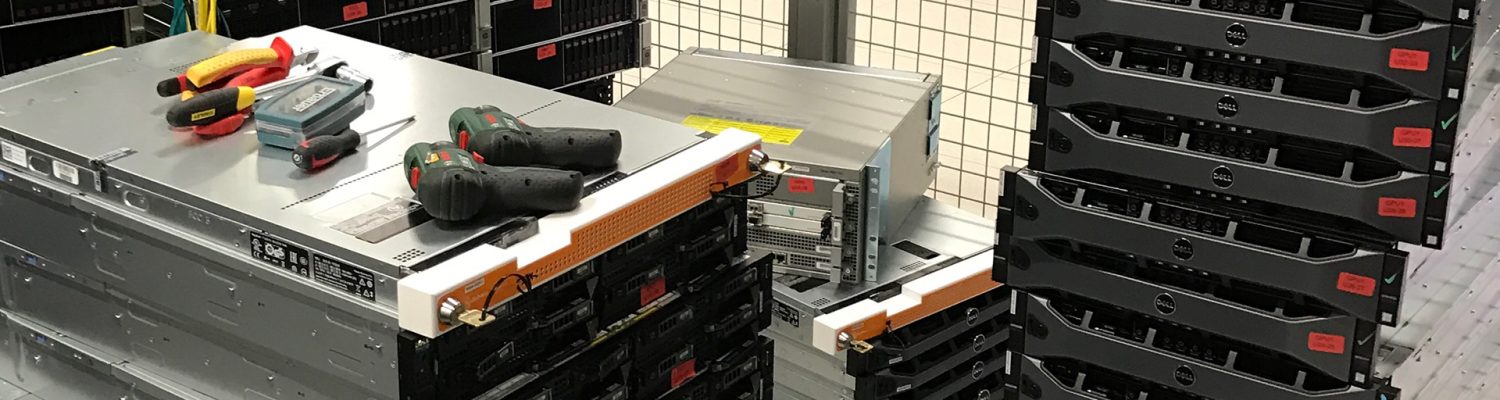
Case study header image - servers.

Case Study: Network Refresh and Cabinet Tidy

Project Overview: Supporting a Multinational IT Services Company

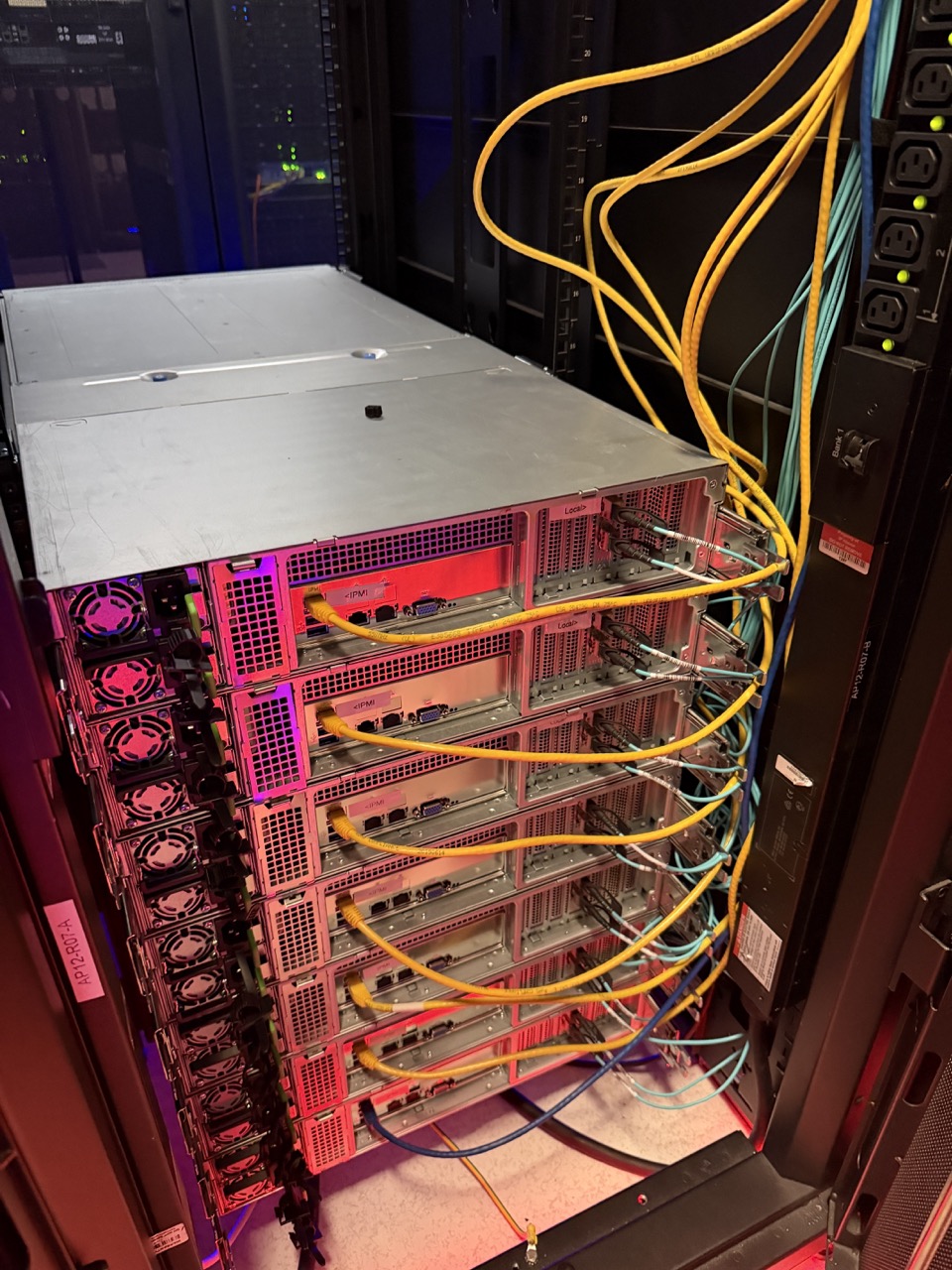
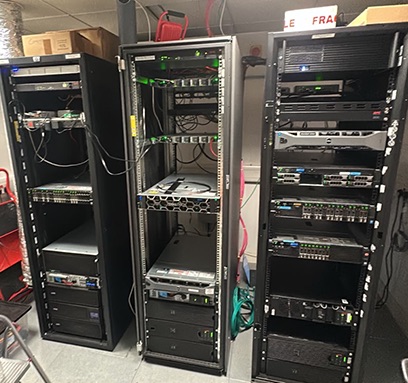
DataMove recently assisted a multinational IT services company with network refreshes and cabinet tidies/cable management on behalf of one of their clients in four European locations.

Challenges Faced: Legacy Equipment and Disorganised Infrastructure

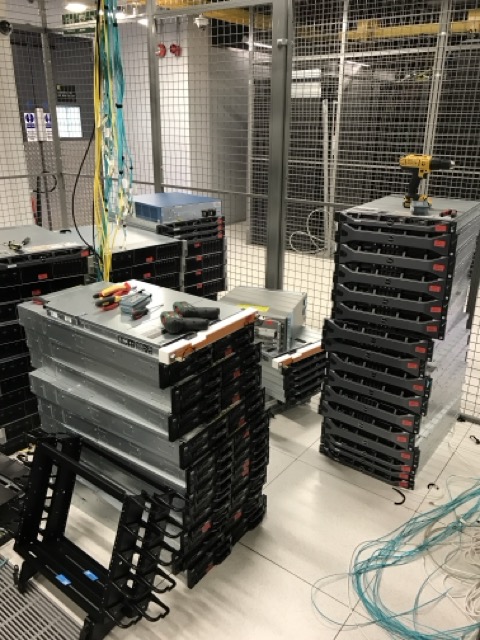
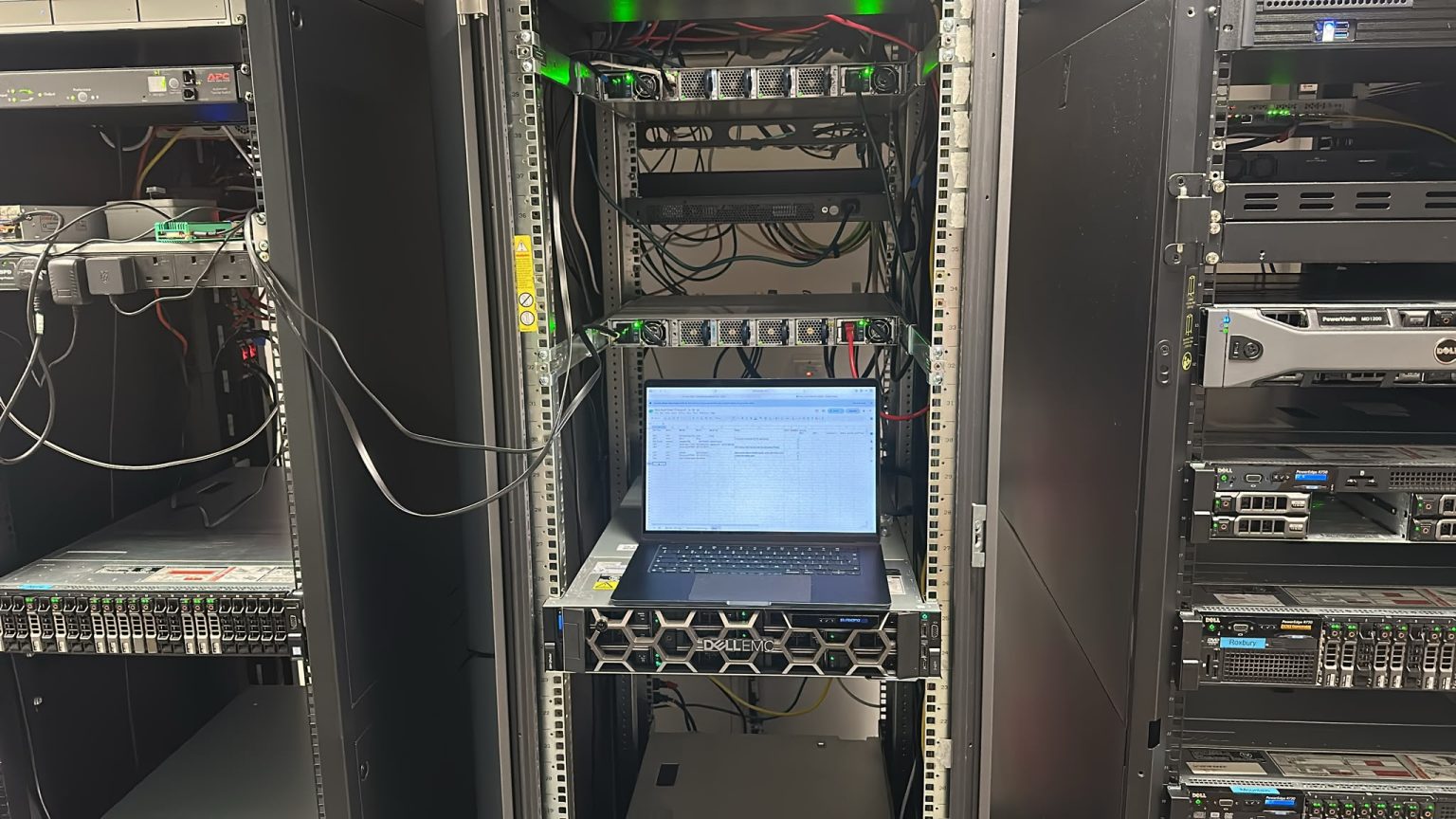
Due to years of mixed networking strategy and staff changes, the network cabinets were in poor condition with a mish-mash of different equipment – some in use and some long since retired. The cabinets themselves were of a late 90s vintage but due to layout and sheer quantity of copper still in use these were here to stay.

Deployment Strategy: Efficient Execution Across Multiple Sites

We deployed a three man crew to Luxembourg, Frankfurt, Prague and Central London strictly out of hours and over weekend shifts to pull out 75% of the infrastructure in place and renew with Arista core and user switches as well as wireless access points followed by an Ekahau wireless survey.

Sustainable Disposal: Responsible Recycling of Outdated Equipment

Following successful completion, DataMove also organised accredited recycling services with our partners in Europe to safely dispose of the aged equipment.

Final Thoughts: Contact Us for Your Network Refresh Needs

Find some pictures of before and after below! If you need refresh/renew services, cable management and cable mapping – don’t hesitate to contact us today.

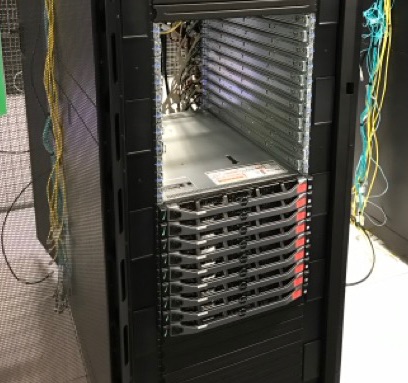
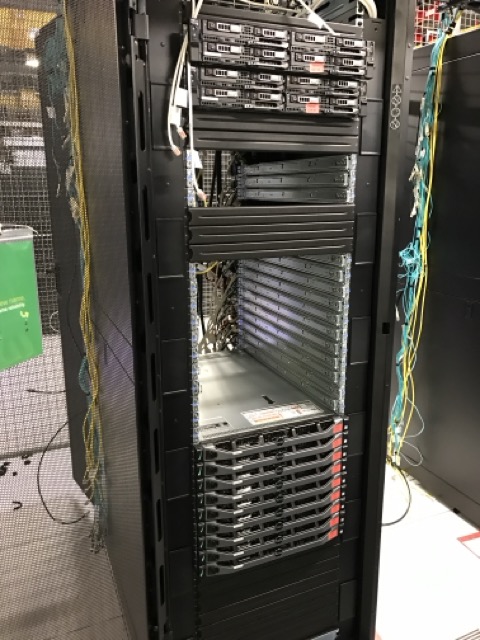
Before cabinet tidy
Before cabinet tidy
After cabinet tidy
After cabinet tidy
Before cabinet tidy
Before cabinet tidy
After cabinet tidy
After cabinet tidy
Zero downtime thumbnail image

Zero‑Downtime Strategies – Live Data Moves in Financial & Healthcare Sectors

Zero downtime article hero image

Zero‑Downtime Strategies - Live Data Moves in Financial & Healthcare Sectors

Why Zero Downtime Matters

In both financial and healthcare sectors, service interruptions can have serious consequences. A few minutes of downtime in banking can disrupt transactions, damage client trust, and potentially violate service agreements. In healthcare, even brief outages could delay access to patient records, disrupt treatment schedules, or interfere with life‑critical systems. This is why organisations in these sectors treat zero‑downtime migration as a top operational priority.

Planning for Parallel Operations

One of the most effective ways to achieve zero downtime is to run the old and new systems in parallel during the migration process. This approach ensures that if the new environment encounters unexpected issues, operations can continue seamlessly on the existing system until problems are resolved. In practice, this requires careful replication of applications, databases, and security policies between both environments.

Real‑Time Synchronisation and Load Management

To maintain an uninterrupted flow of information, real‑time synchronisation tools replicate data between the old and new systems. These tools ensure that any change made in one environment is immediately mirrored in the other. Alongside replication, intelligent load balancing helps distribute activity between systems during the transition. This reduces strain on any single environment and prevents slowdowns or outages.

Testing Before the Switch

Before making the final cutover, organisations conduct extensive testing in a staging environment that mirrors the production setup. This stage allows them to identify potential integration issues, verify regulatory compliance, and confirm that business‑critical applications function as expected. Once testing is complete and confidence is high, the switchover can be performed with minimal risk.

A Controlled Transition

With proper planning, technical safeguards, and sector‑specific scheduling, such as avoiding high‑trading hours in finance or peak operational periods in healthcare, zero‑downtime migrations are achievable. The end result is a seamless transition that maintains trust, compliance, and operational continuity.

Inside data centre thumbnail.

The Complete Guide to Data Centre Decommissioning

Inside data centre.

The Complete Guide to Data Centre Decommissioning

Data centre decommissioning is more than a logistical task. It’s a high-stakes operation that demands expertise in data security, compliance, and sustainable asset management. With the right partner, you can navigate the complexities and ensure nothing is left behind.


In this guide, we’ll explore what data centre decommissioning entails, why it must be handled with care, and how professional services can ensure compliance, security, and efficiency.

Why Proper Decommissioning Is Crucial

1. Data Security

Decommissioning without proper data erasure protocols can expose your business to serious data breaches. Simply deleting files or formatting drives does not guarantee data cannot be recovered. That’s why secure, certified erasure is non-negotiable.

2. Regulatory Compliance

Failing to comply with GDPR, ISO 27001, and WEEE regulations can result in significant legal and financial penalties. A professional decommissioning partner ensures that data destruction and equipment disposal are fully compliant with UK and international laws.

3. Environmental Responsibility

Sustainable disposal is a major concern. Certified recycling and asset recovery not only minimise environmental impact but can also reduce costs and recover value from retired hardware.

Key Steps in Data Centre Decommissioning

Asset Audit

The process begins with a full audit of IT assets cataloguing every server, switch, router, and drive to ensure traceability and a comprehensive scope of work.

Onsite Data Erasure and Shredding

Where offsite transport is not feasible or secure enough, onsite data erasure and shredding services provide peace of mind. This ensures data is completely destroyed before hardware leaves the premises.

Uninstallation and De-Racking

Experienced engineers handle the physical removal of devices and structured cabling. Equipment is carefully de-racked, labelled, and prepared for transport or disposal.

Secure Transport

Chain of custody procedures are critical. From sealed containers to GPS-tracked vehicles, secure logistics prevent loss or theft of sensitive components.

Certified Disposal and Reporting

Final disposal is carried out at authorised treatment facilities. Comprehensive reports and certificates of data destruction provide full audit trails for compliance and peace of mind.

Partner with Professionals for Peace of Mind

Attempting data centre decommissioning in-house is risky, time-consuming, and potentially non-compliant. By partnering with us, you ensure:

  • Certified data erasure and shredding

  • Full asset tracking and audit reporting

  • Environmentally responsible disposal

  • Maximum data protection and legal compliance

Whether you’re planning a migration, consolidation, or full closure, professional decommissioning services protect your business from operational disruption and reputational harm.

Data centre fire blog post thumb image.

How to Secure Your Data Centre Against Fire

Data centre fire blog post image.

How to Secure Your Data Centre Against Fire

In today’s digital age, data is the lifeblood of most organisations. As such, data centres where critical information is stored and managed must be safeguarded against all potential threats, fire being one of the most catastrophic. Here’s a practical guide to protecting your data centre from fire-related risks.

1. Implement Advanced Fire Detection Systems

The key to minimising fire damage lies in early detection. Install multi sensor fire detection systems that can identify smoke, heat, or flame. Aspirating smoke detectors (ASDs), which continuously sample the air, are particularly effective in data centres where even minute smoke particles can signal danger. Make sure your systems are regularly tested and maintained to remain operational at all times.

2. Use Suitable Fire Suppression Systems

Traditional water sprinkler systems can damage electronic equipment, making them unsuitable for data centres. Instead, opt for gas based fire suppression systems like FM-200 or NOVEC 1230. These suppressants work by removing heat or oxygen from the fire, extinguishing it without harming sensitive hardware. Ensure the room is sealed to maximise system effectiveness.

3. Maintain Clear Fire Separation

Segregate high risk areas from the main server rooms using fire rated barriers and walls. This limits the spread of fire and gives staff more time to respond. Cable penetrations and ventilation systems should be sealed with fire-stopping materials, and any fire doors should be self closing and properly labelled.

4. Control Environmental Conditions

Keep data centre temperatures and humidity levels within recommended ranges to prevent overheating and static discharge, both of which can increase fire risk. Regular maintenance of HVAC systems is crucial. Install sensors to monitor these conditions and alert personnel if thresholds are exceeded.

5. Train Staff and Develop an Emergency Plan

Staff should be trained in fire safety protocols, including how to use fire extinguishers and evacuate safely. Conduct regular fire drills and ensure everyone knows their role in the event of an emergency. Your fire safety plan should also include procedures for shutting down equipment and notifying emergency services.

6. Conduct Regular Risk Assessments

Fire risks evolve as infrastructure changes. Perform regular fire risk assessments in accordance with British Standards (e.g., BS 5839 for fire detection and BS 6266 for ICT systems). Address any weaknesses identified promptly and review your fire safety measures annually.

Blog article thumbnail image.

Combining Relocation, Smart Hands, and Data Erasure for Optimal Results

Blog article featured image.

Combining Relocation, Smart Hands, and Data Erasure for Optimal Results

In an increasingly interconnected world, data centre operations have become more multifaceted than ever. Relocation projects, in particular, require much more than the physical transfer of equipment – they demand technical precision, real-time support, and airtight data security.


Enter the triple threat: relocation, smart hands, and data erasure – a trio of services that, when integrated, provide unmatched operational continuity and peace of mind.

1. Relocation: More Than Just a Move

A modern data centre move is a coordinated ballet of logistics, power audits, network configurations, and hardware compatibility. Successful relocations reduce downtime, preserve data integrity, and deliver seamless transitions across environments.


But relocation is rarely a one-size-fits-all endeavour. It requires a tailored strategy based on the client’s unique infrastructure, timelines, and business needs.

2. Smart Hands: On-Site Expertise, Anytime

Smart hands services are invaluable during and after a relocation. These professionals act as your on-the-ground specialists – connecting cables, configuring systems, rebooting servers, and performing real-time troubleshooting. When remote teams can’t be physically present, smart hands fill the gap.


Having trained technicians available 24/7 during a move ensures that problems are solved quickly and systems are optimised as soon as they’re powered on.

3. Data Erasure: Compliance and Peace of Mind

Relocations often involve decommissioning old servers, repurposing equipment, or disposing of legacy hardware. This is where secure data erasure becomes critical. Simply deleting data is not enough – proper erasure ensures sensitive information can never be recovered, meeting compliance with regulations such as GDPR and ISO 27001.


Certified erasure processes provide clients with the documentation they need to prove due diligence and safeguard against data breaches.

Why Integration Matters

Managing these three elements through separate vendors can result in communication lapses, delays, or mismatched protocols. A single provider offering all three services guarantees consistency, accountability, and efficiency.

Recap

When it comes to modern data centre projects, an integrated approach to relocation, smart hands, and secure data erasure isn’t just smart – it’s essential. It’s the difference between a risky transition and a resilient transformation.