
Project Manager – EMEA – DataMove
Cross-border data centre decommissioning raises a question most project plans miss until late: once a drive has been shredded, where can it go? The answer is usually nowhere, at least not across a border without paperwork, consent and time that most projects do not have.
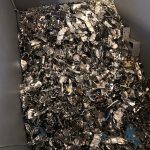
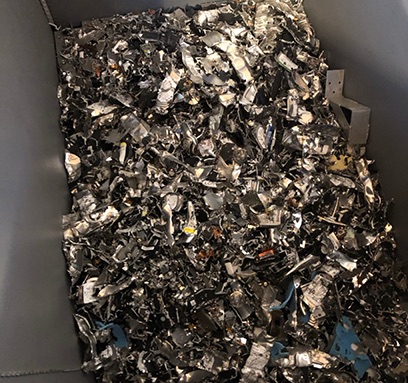
A shredded drive is waste
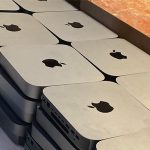
A working server is a product. It can be audited, packed and shipped like any other equipment. A shredded hard drive is different. Once it has been destroyed, it has no further use, and it becomes waste electrical and electronic equipment (WEEE).
That matters because waste does not move across borders the way products do.
The rules changed in 2025
Since 1 January 2025, amendments to the Basel Convention have brought electronic waste, including shredded and processed fractions, under the prior informed consent procedure. In practice, before a shipment moves, the exporter must notify the authorities in the country of dispatch, any transit countries and the destination, and wait for written consent from each.
- Within the EU: most e-waste shipments between member states now need prior consent. Certain non-hazardous e-waste can still move under a lighter procedure, but only until the end of 2026.
- From the UK: all WEEE exported for recovery to the EU or OECD countries must be notified.
- Since May 2026, the new EU Waste Shipment Regulation has moved these procedures onto a central electronic system.
A notified shipment also needs a contract with a licensed receiving facility and a financial guarantee. None of that fits a decommissioning programme with a fixed exit date.
What this means for a decommissioning project
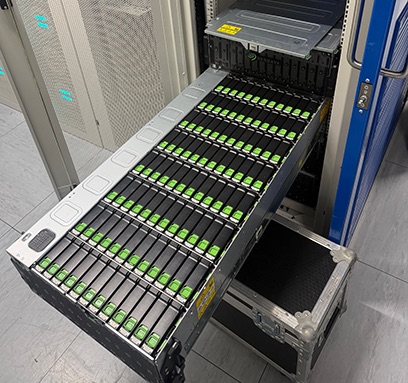
If you are clearing racks in Amsterdam, Frankfurt or Dublin, and the plan is to shred the drives on site and bring the shreddings back to the UK, or across to another EU country, for recycling, that plan has a problem.
The practical answer is to destroy and recycle in-country:
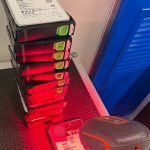
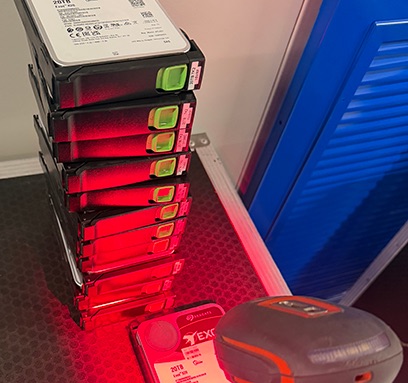
- Drives are shredded on site by a mobile shredding partner, to H-5 for HDDs and E-5 for SSDs under DIN 66399 / ISO/IEC 21964
- Every drive serial is recorded before destruction
- The shreddings go to a licensed recycler in the same country
- You receive a certificate of destruction listing every serial
The hardware can still travel. Only the waste stays put.
Erasure keeps drives out of the waste stream
There is an alternative. A drive that has been securely erased, tested and documented as working is a used product, not waste. It can move with the rest of the hardware and be resold, which also recovers value.
Which route is right depends on your data security policy. Some organisations require physical destruction on site; others accept certified erasure. Read more on hard drive shredding vs data erasure.
Plan it at the start
The point to decide is early, before the contract with the shredding partner is signed and before the exit date is fixed. Questions to settle:
- Will drives be shredded or erased?
- If shredded, is there a licensed partner who can shred and recycle in each country?
- Does your certificate need to list individual serials?
- Is any hardware leaving the country, and is it all classed as working equipment?
How DataMove handles it
We run data centre decommissioning across the UK and Europe, with destruction and recycling partners in Germany and the Netherlands, so drives are destroyed and recycled where they sit, and the hardware is audited, moved and resold. Read more about our data centre decommissioning service, or get in touch for a quote.
This article is general guidance, not legal advice. Waste classification depends on the material, and should be confirmed with your waste partner or the competent authority.