
Project Estimator – DataMove
A colocation exit starts long before the last server leaves the cage. Most of the cost and risk sits in the months before the contract end date: notice periods, decisions about what stays and what goes, and the paperwork that proves your data left with you.
Here’s how to plan it backwards from the date you have to be out.
Start with the contract
Read the colocation agreement before anything else. Four clauses usually decide the timeline:
- Notice period: many agreements need written notice well ahead of the end date, and some renew automatically if you miss it.
- Make-good: what condition the cage or racks must be returned in. That can include removing cabling, blanking panels and anything you installed.
- Cross-connects and circuits: these are often separate contracts, with their own notice periods and charges.
- Access: when your access cards and remote hands arrangements end, and whether you can get back in after the end date.
Decide what happens to each device
Every device needs one of three outcomes:
- Relocate it to a new site or provider.
- Retire it, with certified erasure or destruction, then resale or recycling.
- Return it to a lessor or vendor, if it’s leased.
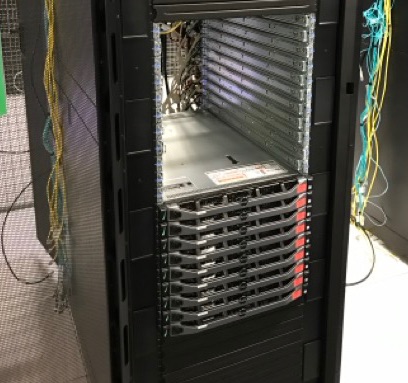
An asset audit is the starting point: serial, model, configuration and condition for everything in the cage. Without it, you can’t price the move, value the hardware or prove what left.
Recover the value before it goes
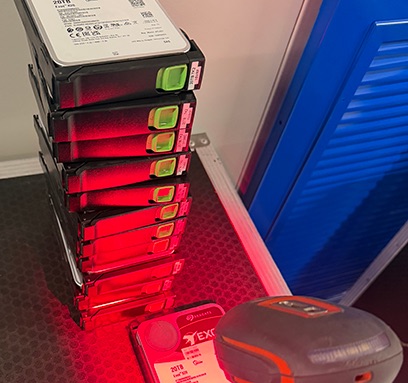
Hardware coming out of a colocation exit is often worth more than people expect, especially memory, recent servers and enterprise drives. See what it’s worth before deciding to recycle it. If your data policy allows certified erasure rather than shredding, drives keep their resale value, and the proceeds can offset the cost of the exit.
Get the paperwork right
When the cage is empty, you need to be able to show what happened to every device:
- A certificate of erasure or destruction per drive, recorded against its serial number
- An asset list showing where each device went: relocated, sold, recycled or returned
- Waste transfer documentation for anything recycled
- Confirmation that the cage was handed back as the contract requires
These are the documents your auditors, insurers and data protection team will ask for later. See the certificates we provide.
If the equipment is going across a border, plan for customs and waste rules early. Shredded drives can’t simply be shipped across a border as scrap.
A working timeline
Counting back from the end date:
- Earliest: check the notice period and serve notice in writing.
- Next: audit every device and decide its outcome.
- Then: book the decommission, relocation and any cross-connect cancellations.
- Final weeks: power down, de-rack, erase or destroy, collect, and make good the cage.
- After exit: certificates, asset reconciliation and the final invoice from the provider.
Leave enough margin for delays. Access slots, loading bays and remote hands all need booking, and the last weeks before a contract ends are not the time to find out the goods lift is out of action.
How we help with a colocation exit
We plan and deliver colocation exits end to end: audit, data centre decommissioning, certified erasure, relocation where kit is staying in service, resale of what’s worth selling, and the documentation that closes it out. If your colocation contract is ending in the next year, talk to us now rather than in the final month.