
Project Manager – EMEA – DataMove
Hard Drive shredding vs data erasure: every data centre decommissioning project has this question to answer. Both destroy the data. They lead to very different outcomes for cost, compliance and how much value you recover from the hardware, and the right answer is often a mix.
What shredding actually means
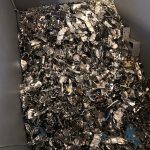
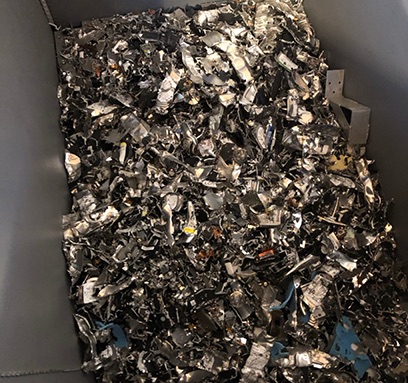
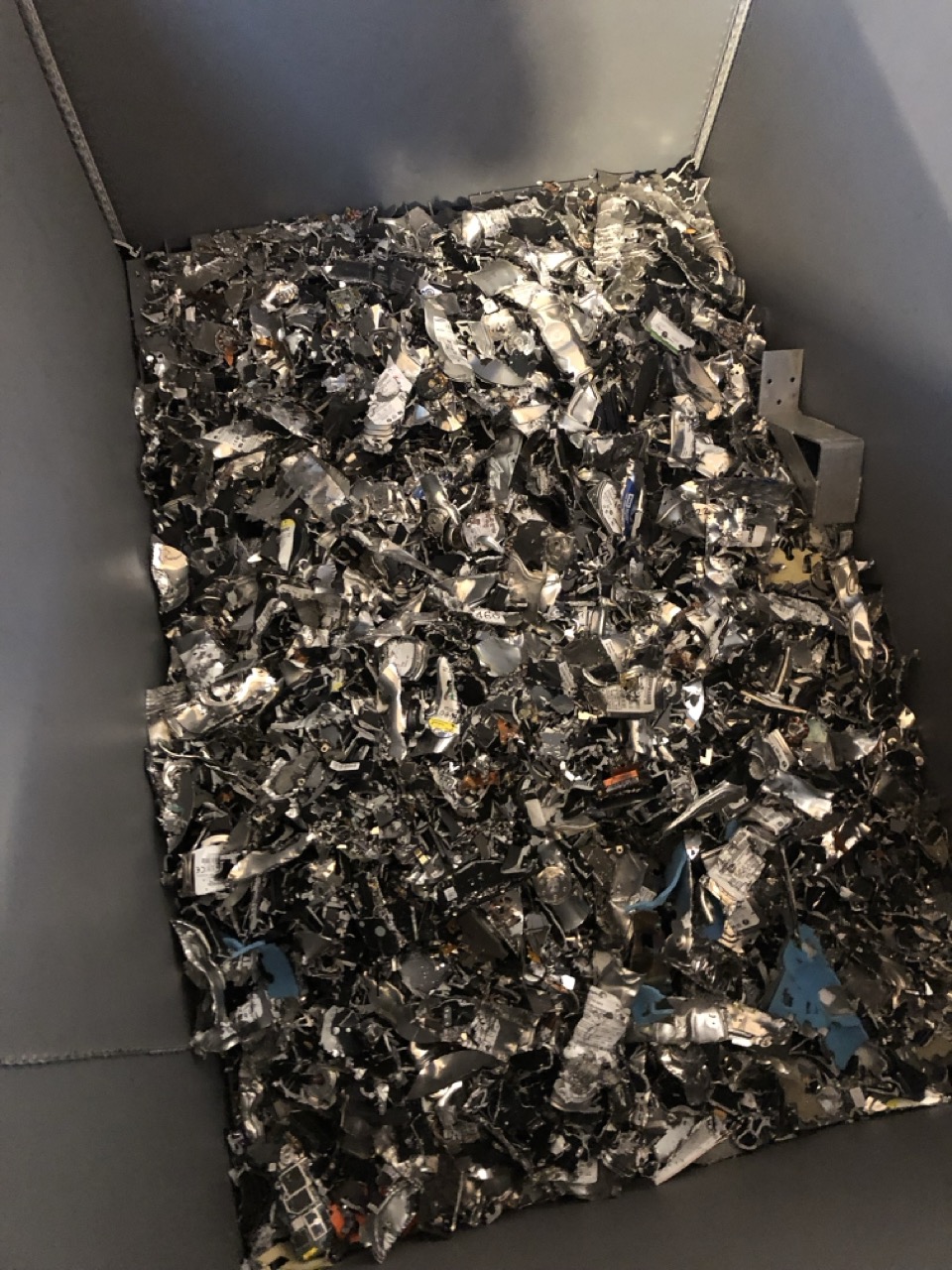
Physical shredding reduces a drive to small fragments, so the data can’t be recovered. The recognised standard is DIN 66399 (also published as ISO/IEC 21964), which sets security levels by particle size. For confidential data, hard drives are typically shredded to H-5 and solid-state drives to E-5.
The difference matters. An SSD stores data on small flash chips, so a shred that’s fine for a hard drive can leave chips intact. SSDs need a much finer cut, which is why they’re classified separately and usually cost more per unit to destroy.
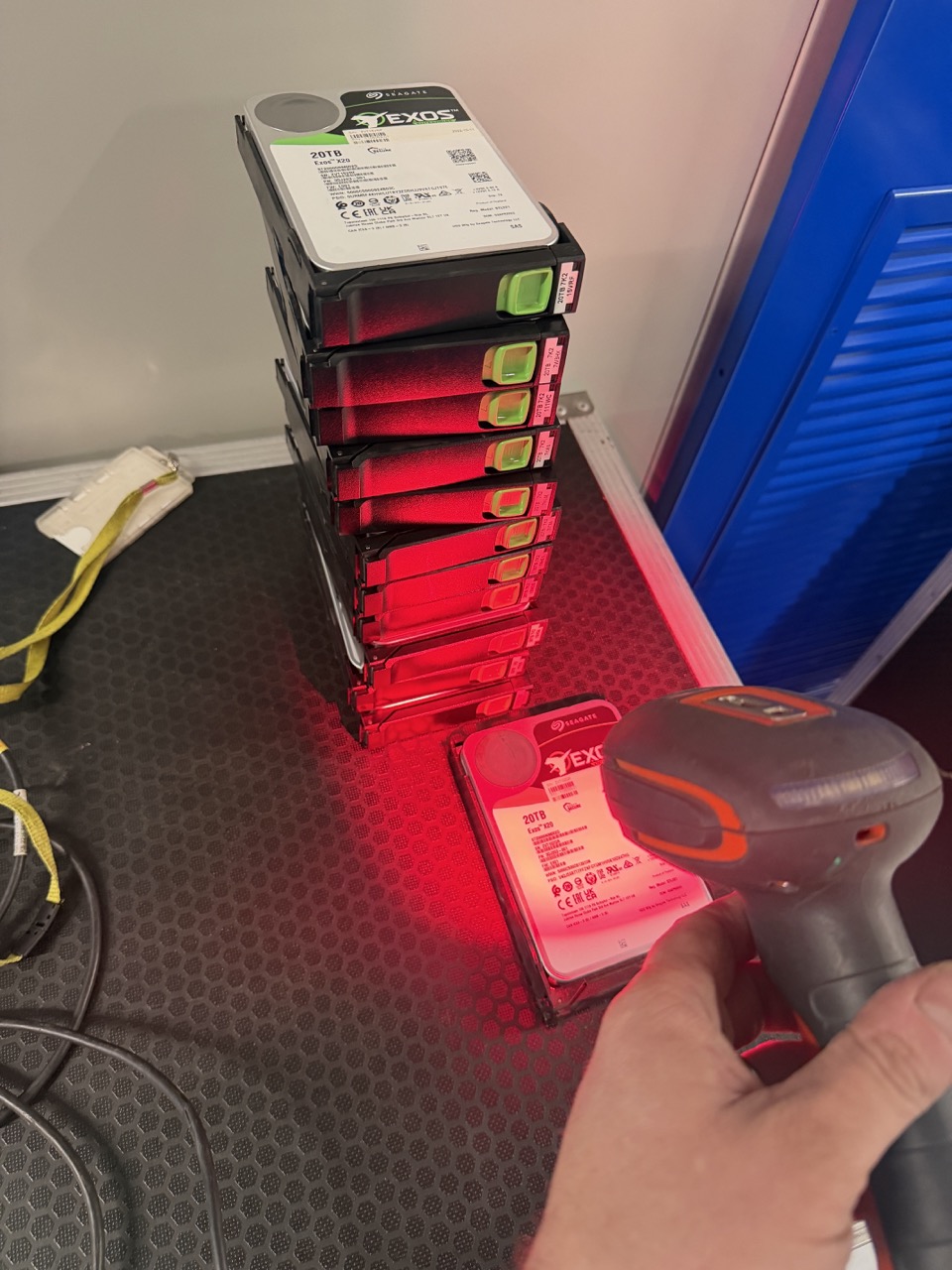
Done properly, shredding happens on site, in a mobile shredding vehicle at the data centre loading bay. Every drive is scanned by serial number before it goes in, and the certificate of destruction lists each one. Drives never leave the building intact.
What data erasure actually means
Certified data erasure overwrites or cryptographically erases the drive to a recognised standard, most commonly NIST SP 800-88, and verifies the result. Each drive gets its own certificate, tied to its serial number.
The drive survives, and so does its value. An erased enterprise SSD or a modern high-capacity hard drive can be resold, and with server component prices sharply up over the past year, that value is worth having.
Erasure only works on drives that function. Any drive that fails erasure must be shredded. A good process plans for that from the start rather than treating it as an exception.
Why degaussing isn’t the answer for SSDs
Degaussing uses a powerful magnetic field to scramble the data on a hard drive. It has no effect on an SSD, because flash memory doesn’t store data magnetically. It’s still sometimes offered as a catch-all, so check what you’re being sold.
Even on hard drives, degaussing has a drawback: you can’t easily verify the result drive by drive. Shredding and certified erasure both give you a per-serial record.
How to choose
Shred when:
- your security policy or a regulator requires physical destruction
- drives have failed or can’t be erased
- the data is highly sensitive and the drives have little resale value
- the client contract specifies destruction
Erase when:
- drives are working and modern enough to resell
- recovering value matters, for example to offset the cost of the project
- sustainability and reuse are part of your IT strategy
On larger estates the answer is usually both: erase what works and has value, and shred the rest, with one audit trail covering every drive.
The cross-border catch
On international decommissioning projects, there’s a detail most providers don’t mention. Once a drive is shredded, the fragments are waste, and moving waste across borders is heavily regulated.
Shredded material from a site in the Netherlands, for example, can’t simply be driven to the UK or Germany for recycling.
The practical answer is to destroy and recycle in the same country, using a local partner for the waste stream. That’s how we run multi-country projects, and it’s worth checking before you sign with anyone who plans to “take it all back to base”.
Getting it right
The choice between shredding and erasure shapes the whole decommissioning project: how long you’re on site, what the client receives back, and whether the hardware pays for some of the work. Settle it before the first rack is touched, write it into the scope, and make sure every drive ends up on a certificate.
We handle both, on site and across borders, as part of our data centre decommissioning service. For more detail on the wiping side, see what data erasure actually involves.