
Project Manager – EMEA – DataMove
There are two answers in circulation to how to pack servers for transport, and only one of them survives contact with a data hall.
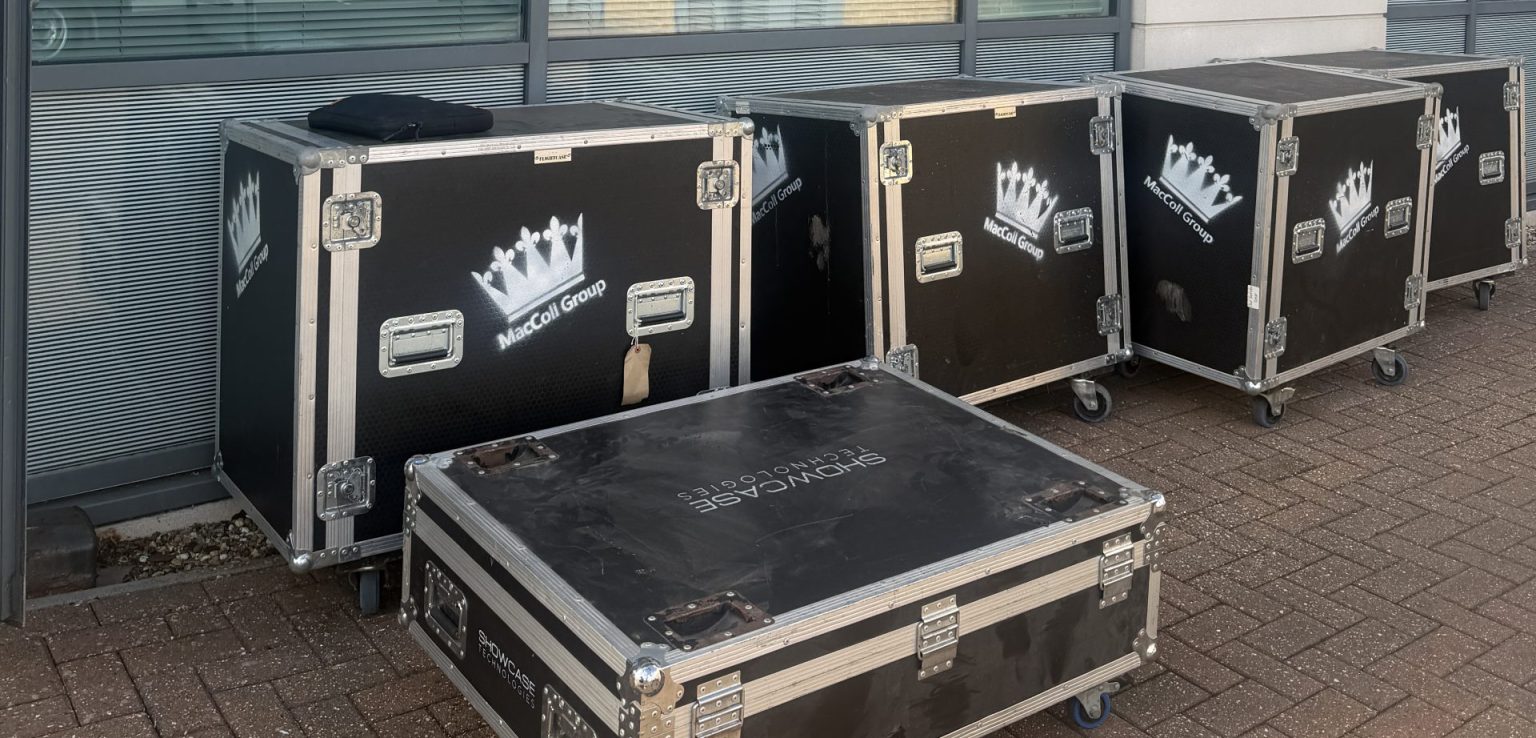
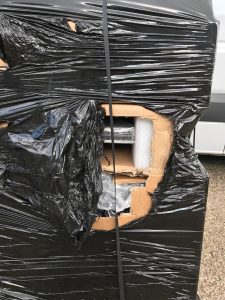
The first is that servers travel in cartons with foam, palletised and shrink-wrapped. It’s what most general logistics operations do, because it’s what they do with everything else. The second is that servers travel in rack-format transit cases. It costs more up front, and it’s what specialist relocation firms use.
The difference matters more than it looks, and it isn’t only about whether the equipment arrives working.
What a transit case actually does
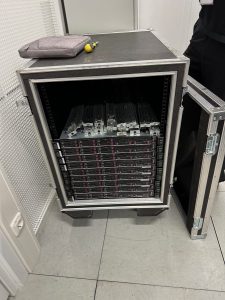
A rack-format case holds a chassis the same way a rack does — at its mounting points, on rails, with the weight carried through the ears rather than the skin.
That distinction is the whole argument. A populated 2U 24-bay server weighs 35 or more kilograms, and almost all of that is drives, hanging off a chassis designed to be supported at four points. Set it down flat in a box and the load path changes completely. The case keeps it in the orientation the manufacturer designed it for.
The case body then does three more things. The shell is rigid, so it protects against crush and impact rather than deforming with it. The internal frame is sprung or foam-suspended, so road shock is absorbed before it reaches the equipment. And the whole thing moves on castors, which means the kit is wheeled from rack to vehicle instead of carried.
That last point gets overlooked. Most transit damage isn’t a road event. It’s a drop, a knock against a door frame, or a manual handling injury that turns into a dropped unit. Removing the carry removes most of the risk.
Why cardboard is a problem inside a data hall
Cardboard sheds fibre. Not much per box, but enough that most operators don’t allow it past the door of a live hall, and those that do usually require it broken down in a staging area rather than opened at the cabinet.
The reason is contamination. A data hall’s air handling is designed to keep particulate out of equipment intakes. Introducing a material that produces dust every time it’s cut, folded or torn works directly against that.
So even where cartons are permitted in the building, they usually aren’t permitted where the work happens. That means unpacking somewhere else and carrying units to the cabinet, which reintroduces exactly the manual handling the cases were avoiding.
The EPE question
A common specification is 2cm of expanded polyethylene foam on all faces. It sounds thorough and it isn’t unreasonable in principle.
The problem is load. EPE performs well protecting light and medium items against shock. Under a 35-kilogram chassis it compresses, and once compressed it stops absorbing anything — the equipment is effectively resting on the box floor. Add stacking, and the foam under the bottom unit is carrying everything above it.
Foam also doesn’t stop movement. A chassis sitting in a box that’s 15mm oversized will shift and rotate in transit no matter how well it’s padded, and it’s the repeated small movements over a few hundred miles that loosen drive carriers and backplane connections.
None of that means foam is useless. It means foam is a supplement to a method, not a method on its own.
Why how you pack servers for transport decides your date
Modern server chassis are deep. A common depth is around 870mm, and standard carton stock doesn’t accommodate that in a size that also fits the height and width sensibly.
Which means bespoke. Bespoke cartons need a specification, tooling, a minimum order quantity and a production run. Realistically that’s weeks, not days, and it isn’t something a supplier will accelerate for a single job.
This is where a late change of packing method stops being a packing decision. If a move is four days out and someone specifies bespoke cartons, the honest answer is that the move isn’t happening on that date. Not because anyone is being difficult, but because the material doesn’t exist yet and can’t be made in time.
Transit cases avoid this because a specialist already owns them. They’re a capital asset reused across hundreds of jobs, which is why they cost more on the first movement and nothing on the hundredth.
Who owns the method statement
This is the part that matters commercially and gets settled too late.
Whoever moves the equipment carries the risk of damaging it. That risk is priced into the quote, underwritten by a cargo policy, and usually capped in the contract. All three of those are calculated on the basis of a stated packing method.
Change the method and every one of them changes with it. A cargo insurer asked to cover carton-packed servers is being asked to cover a different risk from the one they quoted, and a contractor asked to accept liability for a method they didn’t choose is being asked to accept somebody else’s decision.
That’s why the method statement should be agreed before the date is agreed, and written into the contract rather than assumed. Not as a formality — because it determines whether the date is achievable at all.
I wrote about this recently and the response was more emphatic than expected. Two people independently described rack-format cases as simply how the industry moves servers, and several more were surprised anyone would propose otherwise. There is more consensus on this among people who do the work than the variety of practice suggests.
The short version
If the equipment is being moved by people who own transit cases, use the cases. If it’s being moved by a general logistics operation that packs everything in boxes, expect to answer questions about hall access, unpacking areas, manual handling and lead times that the box price doesn’t include.
Don’t forget the insurance claims.
And whichever method is chosen, choose it before the date is set. That is the single decision that most often determines whether a relocation runs when it’s supposed to.