
Project Manager – EMEA – DataMove
Multi-site data centre relocation is a different job from a single move. The lifting and packing are the same, but the risk moves from the rack to the programme. Every site has its own access rules, loading bay slots, escort requirements and change windows, and one late slot at one site can knock out the plan at the other three.
This guide covers how to plan a move across several data centres (or data centers, if your estate spans the Atlantic) so that it runs as one project, not four.
Why multi-site moves go wrong
Most multi-site moves fail on coordination, not handling. Typical problems:
- Each site is booked separately, so nobody owns the overall timeline
- Different contractors at each end, with different packing and labelling standards
- Transport priced site by site, so vehicles are used inefficiently
- Access paperwork submitted late for one site, holding up the whole move
- Equipment arriving at a destination before the rack is ready to receive it
None of these is a technical problem. They are all planning problems, and they get worse with every site you add.
One plan, one owner
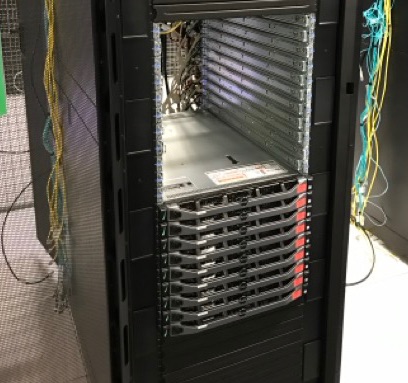
The single most important decision is having one team accountable from first collection to last power-up. That means one rack plan per site, one labelling scheme across the whole estate, and one schedule that shows every collection, transit and delivery in order.
When one team runs every site, a problem at one location is solved inside the programme rather than turning into a dispute between contractors.
Parallel or staggered?
There are two ways to sequence a multi-site move.
Parallel: all sites move at the same time. Downtime is shortest and the project finishes fastest, but you need more crews and vehicles at once, so it costs more.
Staggered: sites move one after another. The same crew can cover several sites and transport can be combined where routes allow, so it costs less, but the programme runs longer and you need to manage a period where your estate is split.
The right choice depends on how long each service can be offline and how much the sites depend on each other. We often price both, so the client can see the trade-off in pounds rather than guessing.
Transport between sites
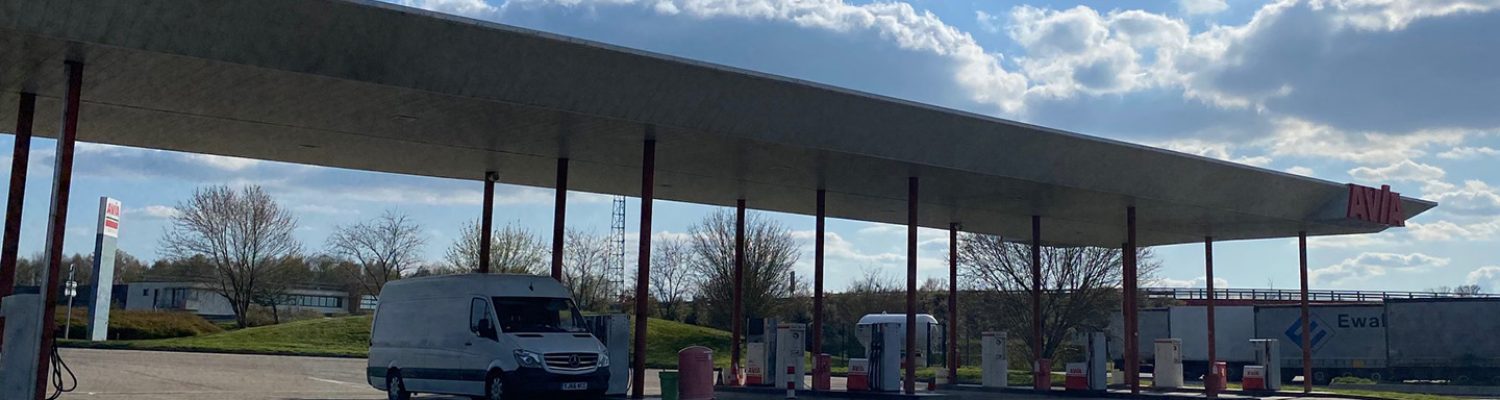
For high-value equipment, dedicated vehicles going direct from dock to dock are the safest option. There is no groupage, no hub and no transfer between vehicles. Where several destinations lie on one route, a single vehicle can make a multi-drop run, which cuts cost without adding handling.
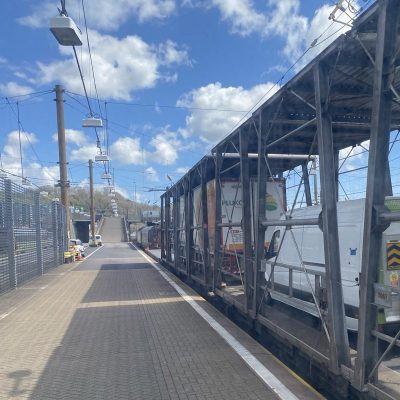
Cross-border moves add a layer. Moves within the EU need no customs formalities, but UK to EU moves do, and the rules on which operators can carry goods between EU countries matter when you are choosing a carrier. Build these into the plan early, not the week before.
The same standard at every site
Equipment should be packed, labelled and documented the same way wherever it starts. In practice that means:
- Every cable and device labelled before de-cabling
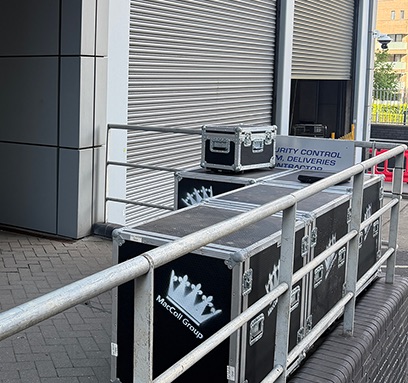
- Equipment packed into secure, anti-static protection or sprung flight cases
- A serial-level asset list that travels with the kit and is checked off at each end
- Photos of each rack before and after
- A signed handover at every destination
If one site is handled to a lower standard, that is the site where something goes missing.
Decommissioning at the same time
Most multi-site moves leave equipment behind: older servers, storage that has been replaced, network gear that will not be needed at the new site. It is far cheaper to decommission it in the same programme than to come back later.
Data-bearing drives can be shredded on site or securely erased, and the remaining hardware audited and resold. Shredded drives count as waste and cannot easily cross borders, so they should be destroyed and recycled in the country where they sit. Read more about our data centre decommissioning service.

A short multi-site checklist
- One accountable project owner across all sites
- Access, escort and loading bay bookings confirmed at every site
- Rack elevations for every origin and destination
- Agreed sequence: parallel or staggered
- Transport route and vehicle plan, including any border crossings
- Insurance cover set per consignment, not just per project
- A decommissioning plan for equipment that is not moving
How DataMove handles multi-site moves
We run multi-site and cross-border relocations as a single programme, using our own engineers at every origin and destination, dedicated vehicles and one schedule from start to finish. We have moved equipment across 58+ countries, so a move involving several sites and several borders is routine for us, not an exception.
If you are planning a move that touches more than one site, get in touch for a quote.